
Reviewed · WALKING TOURS
Plečnik’s Ljubljana -UNESCO heritage- A walk among architect Plecnik’s creations
Plečnik made Ljubljana feel like a work of art. I like the way this private walk connects bridges, squares, a market, and major buildings into one clear story. I also like that the guide adds small tastings and local advice, rather than giving you architecture in a vacuum. The main consideration is that the tour lasts about two hours, so several stops receive only a short introduction.
You meet at Krekov trg and finish near Križanke, making this a useful way to cross Ljubljana’s central sights on foot. The tour costs $220.41 for up to six people, which can be fair value for a family or small group, though expensive for one or two people. Guide Tjasa received especially warm praise for making Plečnik’s work interesting to people with very different levels of interest in architecture.
In This Review
- Key points about Plečnik’s Ljubljana
- Why Plečnik gives Ljubljana its character
- Triple Bridge: Ljubljana’s best opening lesson
- Central Market and the two levels of Plečnik’s riverfront
- Shoemaker’s Bridge and Plečnik’s smaller details
- Congress Square and a major moment in Ljubljana
- Križanke: a final stop with theatrical character
- National and University Library, Plečnik’s masterpiece
- The guide’s role: architecture made personal
- Snacks, pace, and what two hours really means
- Is $220.41 good value for your group?
- Who should book this private Ljubljana walk?
- Should you book Plečnik’s Ljubljana?
- FAQ
- How long is Plečnik’s Ljubljana?
- How much does the tour cost?
- Is this a private tour?
- What language is the tour offered in?
- Where does the tour start?
- Where does the tour end?
- Are snacks included?
- Can I cancel for a full refund?
Key points about Plečnik’s Ljubljana
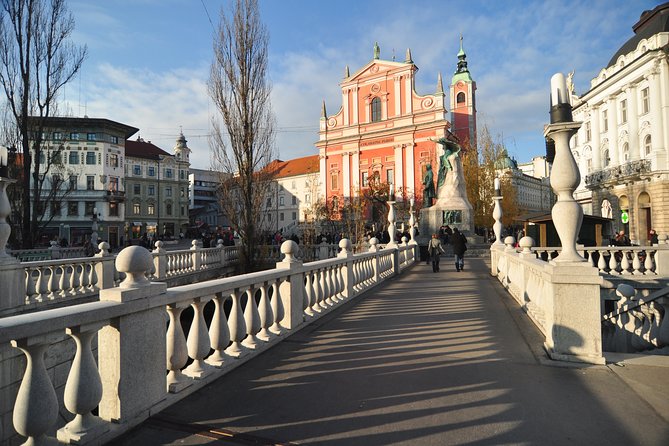
- Two of Ljubljana’s three Triple Bridges were designed by Plečnik, giving the city’s central crossing its famous three-part form.
- The route links several major city sights, from the Central Market and Dragon Bridge area to Congress Square, Križanke, and the National and University Library.
- This is a private walk for up to six people, so you can ask questions and keep the pace suited to your group.
- Small tastings are included, with local food used to explain more about Ljubljana and its residents.
- The tour ends at Križanke, Plečnik’s last major work in Ljubljana, rather than returning to the starting point.
- The guide supplies more than architecture facts, including suggestions for things to do elsewhere in Ljubljana and Slovenia.
Why Plečnik gives Ljubljana its character
Ljubljana is compact, but its center does not feel like a random collection of old buildings. Architect Jože Plečnik gave many public spaces a shared visual language. Bridges, columns, lamps, steps, market structures, and grand civic buildings work together.
That is the real value of this walk. You are not simply ticking off six sights. You are learning to notice how one architect reshaped the city around the river and its public spaces.
Plečnik’s work can be easy to overlook if you see each location separately. A bridge may seem like a bridge, a square like a square, and a library like an imposing building. A guide helps connect those pieces. You begin to see repeated ideas in the columns, lighting, stonework, and careful relationship between buildings and open spaces.
I especially like that the route does not stay inside a single museum or monument. You spend the time outside, moving through the center of Ljubljana as the city functions around you. The architecture is part of daily life, not sealed away behind a ticket desk.
The tour is offered in English and uses a central meeting point. Since pickup is offered, you can check the exact arrangements when booking, but the stated start is Krekov trg. The walk ends at Križanke on Trg francoske revolucije, so plan your day around a one-way route.
More Walking Tours in Ljubljana
- Ljubljana: Guided Walk & Funicular Ride to Ljubljana Castle
★ 4.6 · 576 reviews - Ljubljana: Slovenian Cuisine Walking Tour with Tastings
★ 4.8 · 472 reviews - Ljubljana: 2h walking tour with local guide
★ 4.7 · 433 reviews
Triple Bridge: Ljubljana’s best opening lesson
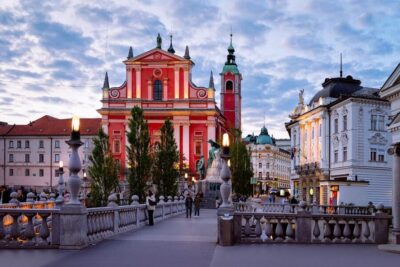
The walk begins at Triple Bridge, or Tromostovje, one of Ljubljana’s most recognizable places. The name is literal: three bridges sit side by side at the heart of the city.
An interesting detail is that Plečnik designed only two of the three bridges. That small fact immediately shows how his work often involved reshaping existing urban spaces rather than starting from nothing. Your guide can explain how his additions changed the character and movement of this important crossing.
This is a brief stop, listed at about five minutes. That may sound short, but the bridge works well as an introduction because it gives you a visual idea of Plečnik’s approach before the walk moves on.
You will likely encounter people crossing, taking photographs, and using the area as a meeting point. The tour does not treat the bridge as an isolated monument. Instead, it places it within Ljubljana’s everyday center.
For me, this is a good example of why a private guide can help. A plaque may tell you the name and date of a bridge. A local guide can point out the difference between Plečnik’s contribution and the older structure, then connect it to the next part of the route.
Central Market and the two levels of Plečnik’s riverfront
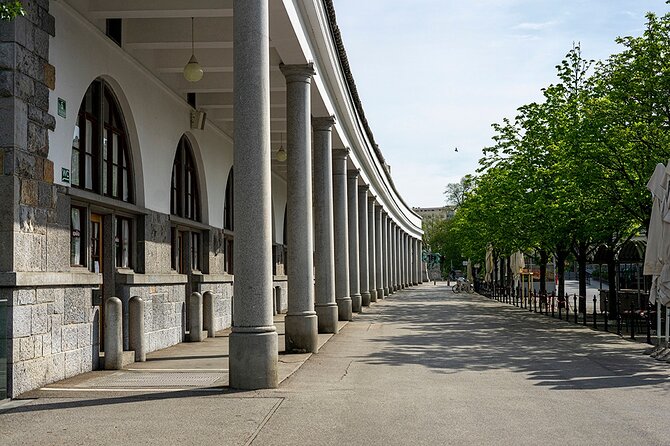
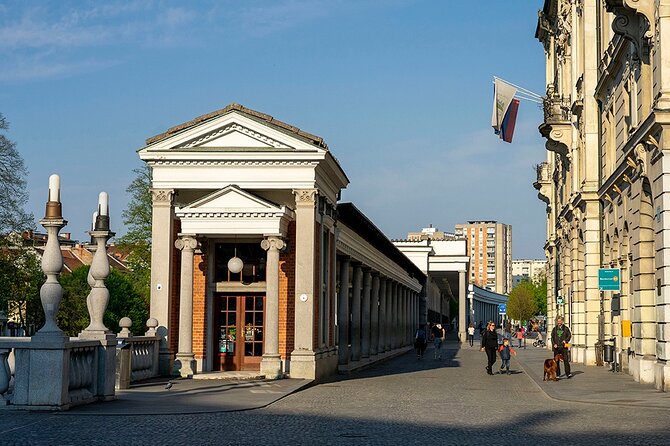
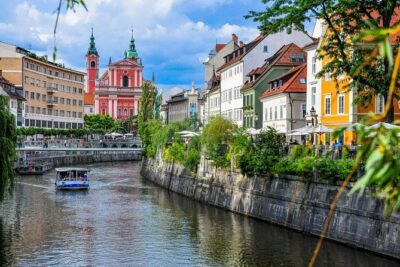
From Triple Bridge, the route follows the Central Market area toward Dragon Bridge. This section is listed at about ten minutes, making it one of the longer stops.
The description highlights Plečnik’s work on two levels. That detail matters because the market area is not just a flat line beside the river. The arrangement gives the riverfront more depth and helps create a continuous public area between the bridges.
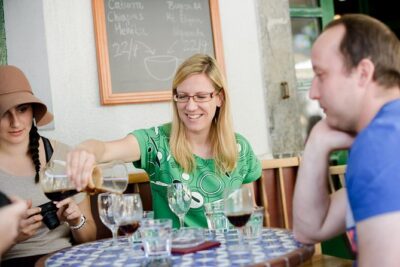
This is also where the snack element makes the most sense. Small tastings are included, and food gives the market a human side. Instead of hearing only about materials and design, you get a little context about the city and its residents.
I like this combination of architecture and local flavor. A market is a place where a city reveals its habits. You may find the tastings modest rather than a full meal, so do not book this as a food tour. Think of them as brief samples that add texture to the walk.
The route points toward Dragon Bridge, but the listed stop is the Central Market. It is worth asking the guide how the market structures, riverfront, and bridges fit together. The private format should make that easy, particularly if someone in your group is curious about urban design.
Shoemaker’s Bridge and Plečnik’s smaller details
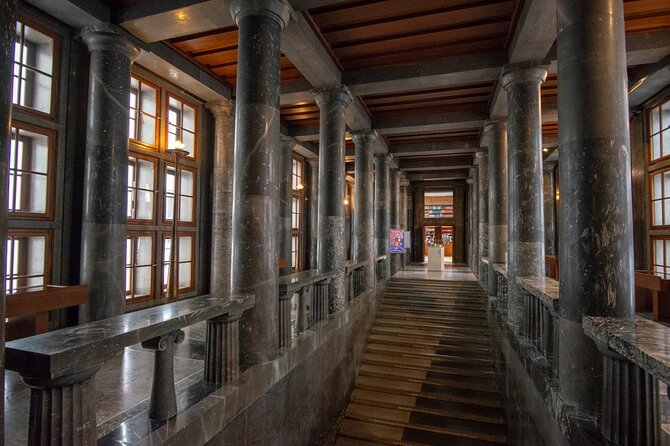
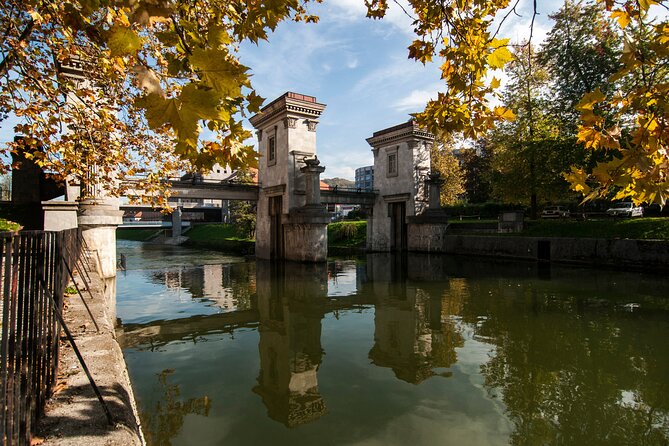
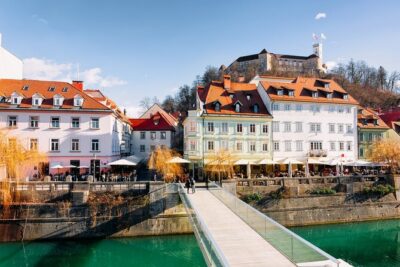
Shoemaker’s Bridge, or Cevljarski Most, receives about five minutes. It is described as a square over the river, with distinctive Plečnik lights and columns.
This stop is useful because it shifts attention from major landmarks to details. The bridge is not presented only as a way to get across the water. Its lamps and columns shape the experience of crossing.
If you are interested in architecture, this may be one of the most rewarding short stops. You can look closely at the repeated forms and consider how lighting changes the mood of a public space. If you are less interested in design, the guide’s explanation helps keep the stop grounded in the larger story of Ljubljana.
The short time here is also the main limitation. Five minutes is enough for an explanation and a look around, but not for a slow study of every feature. You should see the tour as an introduction to Plečnik, not a technical architecture course.
More History Tours in Ljubljana:
- Historic Ljubljana Tour with Ljubljana Castle included
★ 5.0 · 11 reviews - Ljubljana Private Family-Friendly Historic Old Town Guided Tour
★ 5.0 · 6 reviews - Ljubljana: UNESCO cultural heritage tour
★ 5.0 · 2 reviews - Trieste: History of Prosecco and the Karst Region
★ 4.8 · 20 reviews
Congress Square and a major moment in Ljubljana
Congress Square, or Kongresni trg, is given about ten minutes. Plečnik changed the square, which later hosted one of the biggest events ever held in Ljubljana.
That pairing of design and public life is important. A city square is not merely a decorative open space. It can become a place for ceremonies, gatherings, and major civic moments. The guide’s job here is to show how Plečnik’s changes affected the way the square could be used.
I like this stop because it broadens the tour beyond buildings. You learn how architecture can frame public life. The square also gives you a chance to compare the open scale of a civic space with the tighter experience of a bridge or market route.
The tour does not indicate that you enter a building here, and the stop is free. Expect an outdoor explanation rather than a long interior visit. Comfortable shoes and weather-appropriate clothing will help, since the experience is built around walking between open-air locations.
Križanke: a final stop with theatrical character
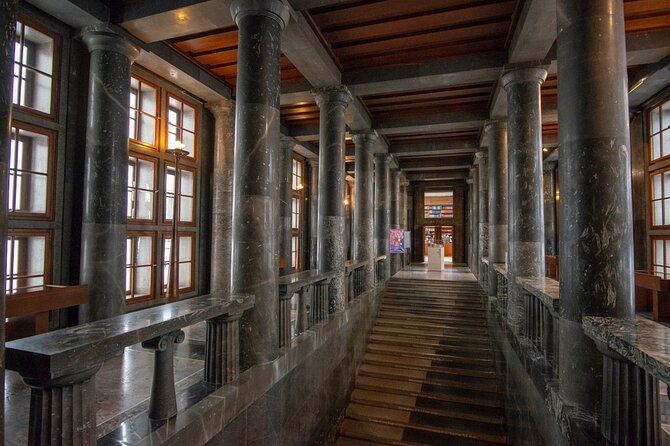
The Monastery of the Holy Cross Summer Theater, known as Križanke, receives about ten minutes. It is described as Plečnik’s last major work in Ljubljana and one of the city’s best outdoor theaters.
This is a strong place to finish. The route ends at Trg francoske revolucije, where Križanke brings together architecture, performance, and carefully designed details. The theater setting gives Plečnik’s work a different mood from the bridges and civic squares earlier in the walk.
The stop is especially useful if you enjoy visual details. Križanke is noted for its impressive features, though the information provided does not specify which areas are entered or how much of the theater is accessible during the walk. I would treat it as an exterior-focused visit unless your guide confirms otherwise.
Ending here also helps explain the route’s shape. You begin near the central river crossings and finish farther south in the city center. Križanke is not simply the last item on a list. It gives the walk a sense of progression, from bridges and markets to a major architectural project with a cultural purpose.
National and University Library, Plečnik’s masterpiece
The National and University Library is another short stop, listed at about five minutes. It is called one of Plečnik’s masterpieces.
Five minutes is enough to introduce the building and point out its importance, but it is not enough for a long interior visit. The tour information does not state that admission inside is included, and all listed stops have no admission fee. You should therefore expect to see and discuss the building from the route rather than plan on a full library tour.
This brief stop can still be meaningful. A guide can help you understand how the library fits into Plečnik’s larger vision for Ljubljana. It also gives the tour a more formal architectural finish after the open spaces and bridges.
If the library is a priority for you, ask about the visit when booking. The tour promises an introduction to the building, not a separate admission experience. That distinction matters if you want extended time inside.
The guide’s role: architecture made personal
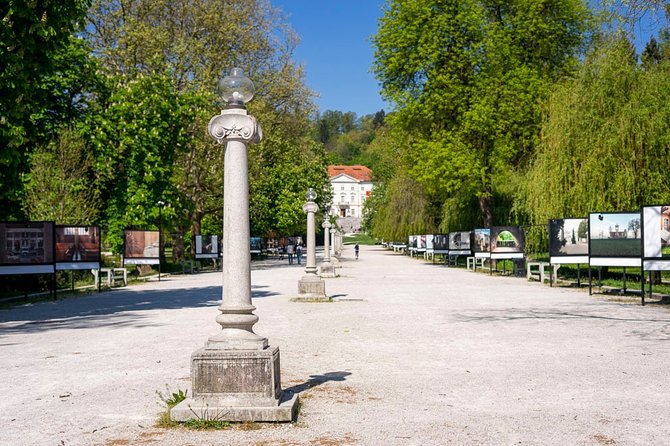
The strongest part of this experience is the guide. Tjasa is singled out for going beyond the basic walk and making Ljubljana memorable. One family found the tour engaging across a wide range of interests, from a person with an architecture degree to someone considering changing majors.
That detail tells you something useful. The tour is not aimed only at specialists. A good guide can adjust the explanation so that architectural terms do not take over the experience.
Another participant described the walk as very informative and interesting, with a strong recommendation. The praise focuses on the guide’s ability to make Plečnik’s work accessible and enjoyable. That is exactly what you need here, because the route includes several short stops and depends on clear storytelling.
You also receive advice about other things to do in Ljubljana or Slovenia. This can be valuable early in a trip, when you are still deciding how to use your time. Since the tour is private, your group can ask for suggestions that fit your interests, though the supplied information does not promise a custom itinerary beyond the listed route.
Snacks, pace, and what two hours really means
The advertised duration is about two hours. The individual stop times add up to less than that, which leaves room for walking, explanations, photographs, and tastings.
That is a sensible pace for seeing several central locations without turning the outing into a full-day commitment. You should still expect a fair amount of standing and walking. The information says most people can participate, and the route is near public transportation, but no exact walking distance or surface details are provided.
The snacks are a pleasant extra, not the main reason to book. They help the guide connect the city’s food culture with its public spaces. If you need a substantial meal, eat before or after the tour.
Weather matters because this is an outdoor walking experience. Poor weather can lead to a different date or a full refund. You should check the forecast and keep your schedule flexible, particularly if you are visiting Ljubljana for only a short time.
Is $220.41 good value for your group?
The price is $220.41 per group of up to six people, not $220.41 per person. That difference is central to the value calculation.
For six people, the cost works out to about $36.74 each. For four people, it is about $55.10 each. For two people, it is about $110.21 each, and for a solo visitor the price is much harder to justify.
The private format is the main reason to consider the cost. You are paying for a local professional guide, a small group setting, snacks, advice about the rest of Slovenia, and a route that links several Plečnik sites. You are not paying separate admission fees for the listed stops.
I would consider it good value for a family or group of friends who want a focused introduction to Ljubljana’s architecture. It is less compelling for a solo visitor who is happy to read signs, walk independently, and explore at a slower pace.
The convenience also has value. You do not need to plan the most logical order between the bridges, market, squares, theater, and library. The guide provides the thread that ties them together.
Who should book this private Ljubljana walk?
I would recommend it to first-time visitors who want to understand why Ljubljana looks the way it does. It suits families particularly well because the private group format allows the guide to keep different ages and interests involved.
Architecture students and design-minded visitors will find plenty to notice, but they should remember that this is a short overview. It gives you a framework for Plečnik’s work rather than a specialist lecture.
It is also a good fit if you want local orientation at the start of your stay. The central route introduces several places you may want to revisit, while the guide’s advice can help shape the rest of your time in Ljubljana or Slovenia.
I would think twice if you want long visits inside buildings, a full food experience, or a leisurely photography walk. The tour covers a lot in about two hours, so the pace is purposeful.
Free cancellation is available if you cancel at least 24 hours before the start time. Changes or cancellations made later are not refunded, and poor weather may lead to a new date or a full refund.
Should you book Plečnik’s Ljubljana?
Book this tour if you want a clear, personal introduction to Ljubljana’s most important Plečnik sites, especially if you can share the $220.41 group price with several people. Tjasa’s warm, adaptable guiding style is a major reason to choose it.
Skip it if you prefer exploring alone or want to spend a long time at each building. For everyone else, this is a compact and useful way to see how one architect shaped Ljubljana’s bridges, markets, squares, theater, and library into a connected city experience.
FAQ
How long is Plečnik’s Ljubljana?
The experience lasts approximately two hours.
How much does the tour cost?
The price is $220.41 per group, with up to six people included.
Is this a private tour?
Yes. Only your group participates in the activity.
What language is the tour offered in?
The tour is offered in English.
Where does the tour start?
The stated meeting point is Krekov trg, 1000 Ljubljana, Slovenia.
Where does the tour end?
The tour ends at Križanke, Trg francoske revolucije 1, 1000 Ljubljana, Slovenia.
Are snacks included?
Yes. Small tastings are included during the walk.
Can I cancel for a full refund?
Yes, if you cancel at least 24 hours before the experience start time. Cancellations made less than 24 hours in advance are not refunded.
New around Ljubljana
- Zagreb to Slovenia: Discover Bled and Ljubljana in a Day★ 4.7 · 2 reviews
- Woop! Fun park with 21 attractions★ 4.6 · 3 reviews
- Gokart experience at Woop! karting – the fastest attraction★ 4.0 · 5 reviews
- Private Zagreb Tour from Ljubljana★ 4.5 · 3 reviews
- Private Fun Park activity in Ljubljana★ 4.5 · 3 reviews
- Wine and Culinary Adventure in Jeruzalem – Full Day Tour from Ljubljana or Ptuj★ 5.0 · 5 reviews
- Velika Planina Guided Hike from Ljubljana★ 4.0 · 5 reviews
- Private tour of Venice from Ljubljana★ 5.0 · 6 reviews
Walking Tours, compared.
Guided Walk & Funicular Ride to Ljubljana Castle
Read our review →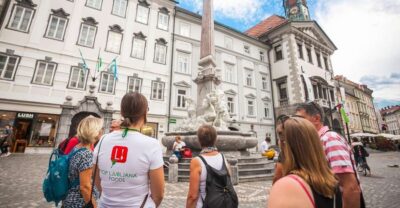
Piran Walking Tour with Local Wine and Food Tasting
Read our review →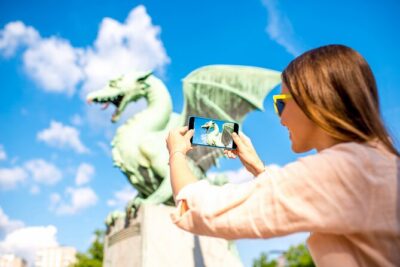
Ljubljana 2Hours and 30Minute Walking Tour with Local Guide
Read our review →Browse the lists this tour appears in