
Reviewed · CASTLE TOURS
Historic Ljubljana Tour with Ljubljana Castle included
Ljubljana rewards a slow look. I like the private format, which lets guide Peter Mucnik adjust the pace, answer questions, and give your group his full attention. I also like that the tour combines the city’s main squares and bridges with the funicular ride to Ljubljana Castle, so you get both street-level detail and broad views from above.
The route packs a lot into roughly three hours, from the Central Market and Cathedral of St. Nicholas to Dragon Bridge and the National and University Library. The main consideration is the brisk schedule: many stops last only five or ten minutes, and the castle tower climb adds a physical challenge. A late afternoon departure can also mean some local shops are closed by the time you reach them.
In This Review
- Key points to know before you book
- A useful introduction to Ljubljana in three hours
- Central Market and the everyday side of Ljubljana
- Cathedral doors and Baroque Ljubljana
- Plecnik’s bridges and the river’s darker stories
- French Revolution Square and Congress Square
- Preseren Square, the Triple Bridge, and the pink church
- Butcher’s Bridge and Dragon Bridge
- Riding the funicular to Ljubljana Castle
- What the $108.37 price delivers
- Timing, pace, and who should book
- Should you book this Ljubljana tour?
- FAQ
- How long does the Historic Ljubljana Tour last?
- Where does the tour begin and end?
- Is Ljubljana Castle included in the price?
- Is the cathedral admission included?
- Is this a private tour?
- What language is the tour offered in?
Key points to know before you book
- Peter Mucnik leads a personal private tour: Your group does not share the guide with strangers, making it easier to set the pace and ask questions.
- The route covers Ljubljana’s essential center: You see the market, cathedral, major squares, Plecnik’s bridges, Art Nouveau details, and the river.
- The Central Market adds local character: Along with produce and homemade goods, you may see Slovenia’s unusual milk machine.
- Ljubljana Castle is included: The castle funicular and viewing tower are part of the experience, not an extra add-on.
- The tour is history-heavy but approachable: Stories range from medieval punishments to Napoleon, Yugoslavia, Slovenian literature, and modern Ljubljana.
- Timing matters: The listed weekday start windows are 7:30 to 8:00 AM and 3:30 to 6:00 PM, and the cathedral entrance fee is not included.
A useful introduction to Ljubljana in three hours
I see this tour as a strong first look at Ljubljana rather than a slow, museum-style visit. The city center is compact, and the route links its best-known sights in a sensible walking circuit before heading uphill to the castle.
That matters because Ljubljana can seem almost too easy at first. Its pedestrian center is calm and manageable, but the details reward explanation. A bridge is rarely just a bridge here. A square may reflect medieval religion, French rule, Slovenian national identity, and the work of one unusually influential architect.
Peter Mucnik is named as the guide for the experience, and the strongest praise attached to his work focuses on clear English, patience, humor, and his ability to explain without burying you in facts. One particularly useful feature of a private tour is flexibility. If you want more time with architecture, literature, or political history, you can ask for it.
The meeting point at Krekov trg is in the city center and intended to be easy to find. The activity returns to this same meeting point at the end, which keeps the practical side simple. The tour is offered in English, and most people can take part. Service animals are allowed, and the meeting area is near public transportation.
More Castle Tours in Ljubljana
- Ljubljana: Postojna Cave & Predjama Castle Tickets and Tour
★ 4.9 · 2,146 reviews - From Ljubljana: Trip to Lake Bled and Bled Castle
★ 4.7 · 1,426 reviews - Postojna Cave and Predjama Castle – Entrance Tickets Included
★ 5.0 · 938 reviews
Central Market and the everyday side of Ljubljana
The Central Market is one of the best early stops because it gives you more than old buildings. The market has operated on this spot for about 120 years, and its stalls show what people in Slovenia buy, grow, preserve, and produce.
You can expect to see fruit, vegetables, flowers, bread, meat, dairy products, oils, juices, and homemade goods brought from different parts of Slovenia. Much of the produce is described as ecologically produced. The guide also points out a milk machine, an amusing and very local detail that helps keep the market from feeling like a quick photo stop.
I like this part of the route because it brings the city down to human scale. You are not only looking at monuments. You are seeing the place where food and daily business have shaped the center for generations.
The market visit lasts about ten minutes. That is enough for an introduction, but not enough for a leisurely browse or serious shopping. If you want to return for breakfast, gifts, or a closer look at the stalls, make a note of the location and come back later on your own.
Cathedral doors and Baroque Ljubljana
From the market, the walk turns toward the Cathedral of St. Nicholas. The guide explains the building’s history and focuses on its two notable doors, the Slovenian Door and the Ljubljana Door.
These are not just entrances to point at and pass. They are sculptural works connected to the story of Christianity in Slovenia. The cathedral visit is scheduled for about ten minutes, so the emphasis is on context and the doors rather than a long interior visit.
The cathedral admission fee is not included. That is a small but important detail when you calculate the total cost. Ask the guide about the current entrance arrangement when you meet, since the tour information specifically marks this admission as excluded.
Nearby, the Fountain of Three Carniolan Rivers offers a short lesson in Baroque art. The fountain represents the Sava, Krka, and Ljubljanica rivers, and its design carries both artistic and civic meaning. You have about five minutes here, enough to admire the sculpture and hear why it matters.
The Town Hall follows. It was built in the late 15th century, and Ljubljana’s mayors have governed from the building since that period. The tour views the exterior and part of the interior. That combination is useful because you get a sense of the building as a working civic place, not only as a handsome facade.
Plecnik’s bridges and the river’s darker stories
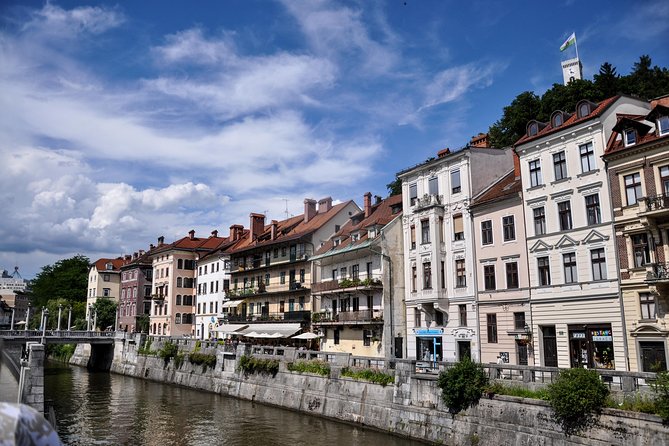
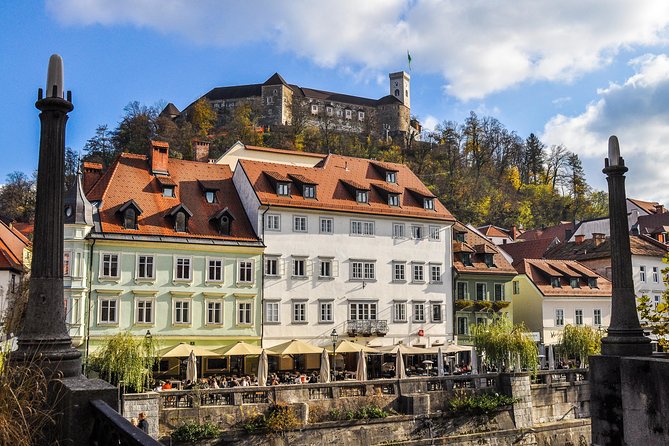
Ljubljana’s architect Joze Plecnik shapes much of this walk. At Shoemaker’s Bridge, or Cevljarski Most, you see how he treated a crossing as part of the city’s public design rather than a plain piece of infrastructure.
The guide also explains the bridge’s medieval associations with justice and punishment. The story concerns dishonest butchers and bakers who were dipped into the Ljubljanica River. It is a memorable reminder that the river once played a harsher role in city life than its peaceful modern appearance suggests.
The Ljubljanica itself gets attention here, including its importance in the past and today. The walk is not simply a string of buildings. You learn how the river helped shape movement, trade, public life, and the identity of the center.
The National and University Library is another short but worthwhile stop. Plecnik considered the building one of his major architectural works, and its details carry strong symbolism. The guide presents it as a kind of temple of knowledge, which gives you a better way to read the unusual facade and entrance.
You will not spend a long time inside the library. The listed stop lasts about five minutes and focuses on the exterior and its meaning. I would pay close attention here, since Plecnik’s work appears again at Triple Bridge and elsewhere in the city.
Elsewhere in Slovenia, a very different day:
- Slovenia in One Day: Lake Bled, Postojna Cave and Predjama Castle
★ 5.0 · 879 reviews - Ljubljana: Lake Bled and Bohinj Tour with Savica Waterfall
★ 4.8 · 818 reviews - Ljubljana: Castle Entry Ticket with Optional Funicular Ride
★ 4.3 · 718 reviews - From Ljubljana: Lake Bled & Postojna Cave with Entry Tickets
★ 4.8 · 694 reviews
French Revolution Square and Congress Square
French Revolution Square brings together three different stories. You hear about the Teutonic knights and their monastery, Napoleon’s wars and the Illyrian Provinces, and Plecnik’s influence on the square.
That mix is typical of Ljubljana. The city’s past is not presented as one clean timeline. Religious orders, imperial politics, national identity, and modern architecture overlap in the same few streets.
Congress Square gives the tour another wide public space. Here you see Star Park, the Ursuline Church, the Slovenian Philharmonic Orchestra building, and the University of Ljubljana building. The Philharmonic is described as one of Europe’s oldest institutions of its kind, adding cultural weight to what might otherwise seem like a pleasant park and civic square.
The guide also explains the origin of the square’s name. That kind of detail is valuable because it helps you remember the place. Names become easier to understand when they connect to an event or purpose instead of remaining labels on a map.
The stop lasts about ten minutes. It is a good place to pause, look around, and understand how Ljubljana uses open space for public life.
Preseren Square, the Triple Bridge, and the pink church
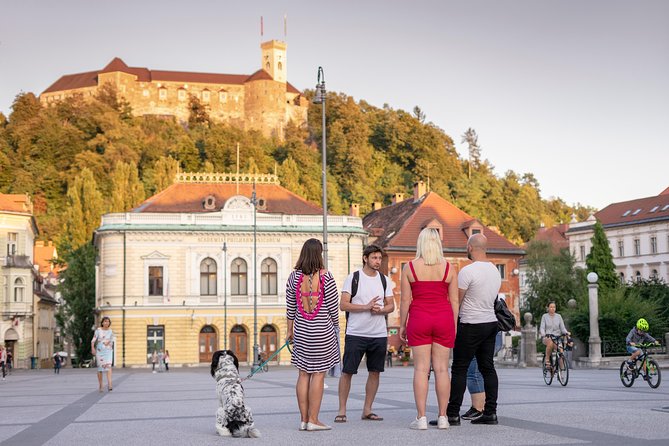
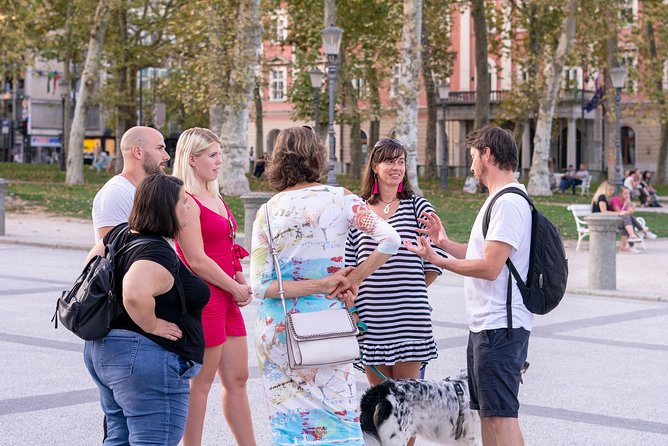
Preseren Square is one of the most rewarding viewpoints on the walk. From here, you can see the Triple Bridge, the Franciscan Church, Art Nouveau buildings, and the statue of France Preseren, Slovenia’s major poet.
The guide explains Preseren’s importance to Slovenian literature and tells the story of his unreturned love. That personal thread gives the square more feeling than a simple explanation of the statue would. It also helps you connect national culture with an actual person and his life.
The Franciscan Church adds a strong splash of color with its pink Baroque facade. Its design recalls the Il Gesu church in Rome, giving you a quick link between Ljubljana and the wider Catholic architectural tradition.
Then comes Triple Bridge, or Tromostovje, one of Plecnik’s most famous works. The guide explains its history, practical purpose, and symbolism, including why there are three bridges rather than one.
This is a classic example of why a guide helps in Ljubljana. You can admire the structure on your own, but the design makes more sense once you hear how Plecnik liked to build layers of meaning into public spaces. The stop is listed at about five minutes, so take your own photographs after the explanation if you want more time.
Butcher’s Bridge and Dragon Bridge
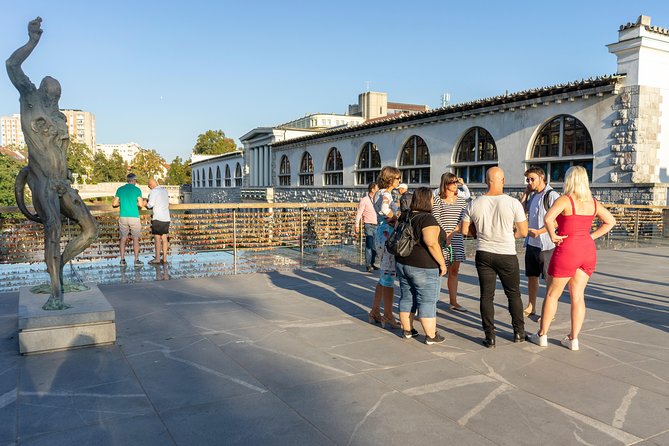
Butcher’s Bridge is newer than many people expect. Today, it is often treated as Ljubljana’s Love Bridge because couples attach padlocks to its railings. The name comes from the historical connection with the city’s butchers, while grotesque statues give the bridge an unusual artistic edge.
I like the contrast here. The bridge mixes romance, modern habits, older trades, and strange sculpture in one compact stop. It is also a reminder that Ljubljana is not preserved as a frozen old town. Newer features sit beside old stories and are absorbed into the city’s character.
Dragon Bridge provides the grand finale of the river section. It is a major Art Nouveau work and one of Ljubljana’s most recognizable sights. The guide explains why the dragon became the city’s symbol, which makes the four dragon statues more meaningful than a quick photograph would.
The Butcher’s Bridge stop lasts around ten minutes, while Dragon Bridge receives about ten minutes as well. These are short visits, but they are placed well in the overall route. By this point, you have seen the river from several angles and can compare Plecnik’s measured style with the more decorative Art Nouveau character of Dragon Bridge.
Riding the funicular to Ljubljana Castle
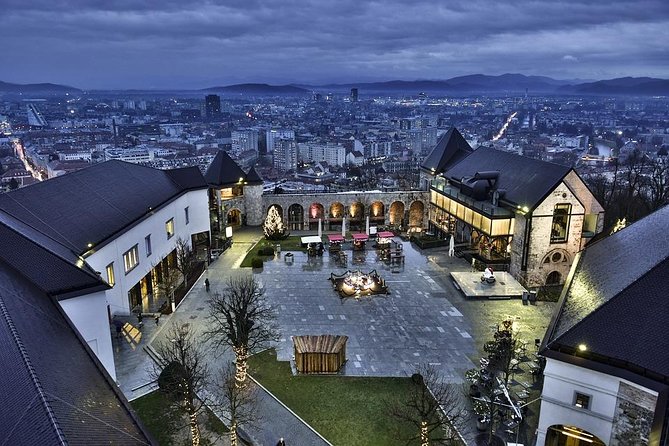
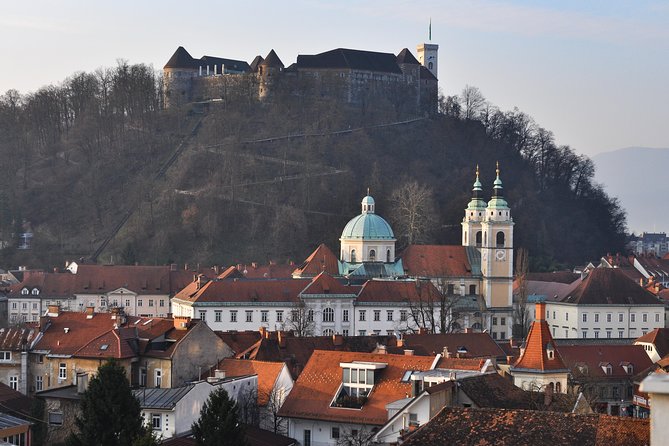
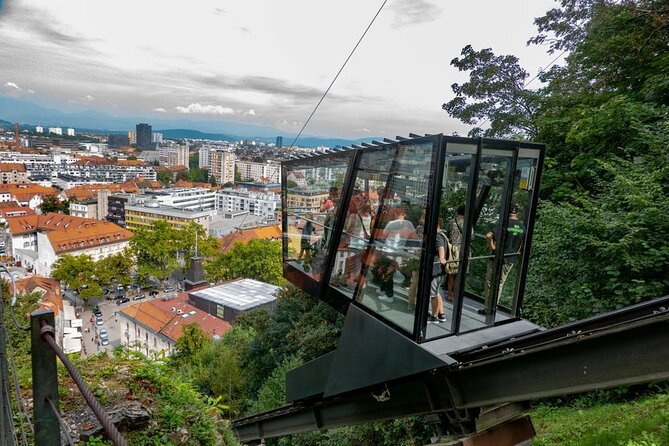
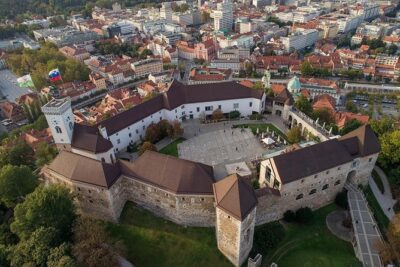
The final major stage is Ljubljana Castle. You take the castle railway funicular up Castle Hill, avoiding a longer climb through the city. The ride is included in the price, as is admission to the castle portion of the tour.
At the castle, the guide explains how its role changed after its construction at the end of the 15th century. The site has served different purposes over time, and the tour connects those uses to the wider story of Ljubljana.
The viewing tower is the physical high point of the experience. You climb for wide views over Ljubljana and across Slovenia. The tower climb is described as the most demanding part of the tour, so I would take that seriously if stairs are difficult for you.
The castle portion is scheduled for about twenty minutes. That is enough for a guided introduction and the climb, but not for a full, unhurried exploration of every castle room. If you want a longer castle visit, plan to return separately and check how much time your ticket allows.
Ending at the castle would be convenient, but this activity returns to the original meeting point. That means you ride or walk back down as part of the organized experience, rather than finishing with an open-ended castle visit.
What the $108.37 price delivers
At $108.37 per person, this is not the cheapest way to see Ljubljana. The price makes more sense if you are booking for a small private group and value a guide who can tailor the pace and answer questions throughout the walk.
Included value comes from the guide’s time, the organized Old Town route, the castle funicular, and the castle visit. You are also paying for interpretation across a wide range of subjects: architecture, Slovenian literature, religion, medieval justice, Napoleon, local food, and the city’s political past.
The cathedral admission is not included, so allow for that extra cost if you want to enter. Group discounts may also apply, making the per-person price more attractive for a larger private party.
For a couple or family, I would compare this with the cost of separate public tours, castle transport, and entrance fees. The private format is the key value. You do not have to match the pace of a large group, and a delayed flight or rental-car problem may be easier to handle if the guide can adjust the meeting details. Peter has already shown flexibility with changed times and meeting points in such situations, although any change should be arranged directly and as early as possible.
Timing, pace, and who should book
The listed operating window is Monday through Friday, with morning starts around 7:30 to 8:00 AM and afternoon starts from 3:30 to 6:00 PM. Because the walk covers many stops, an earlier afternoon start is the wiser choice if you want to see shops open along the route.
Three hours sounds generous, but the schedule moves quickly. The market, cathedral, Town Hall, bridges, squares, library, and castle all require attention. You will get a well-shaped overview, not a slow photographic walk.
I would book this for a first day in Ljubljana, especially if you want to understand the city’s layout quickly. It also suits people who prefer history explained through streets and buildings instead of a long indoor museum visit.
Families can benefit from the short stops and the funicular, though the tower climb may be tiring for some. Architecture fans should pay special attention to Plecnik’s bridges, library, and public spaces. Literature lovers will appreciate the Preseren Square material, while food-minded visitors should note the market for a return visit.
The tour is private, offered in English, and suitable for most people. Free cancellation is available up to 24 hours before the start time. Confirmation is sent within 48 hours of booking, subject to availability, so do not leave the reservation until the last minute if your schedule is tight.
Should you book this Ljubljana tour?
Book it if you want a well-paced private introduction to Ljubljana with the castle included, and if stories matter as much to you as photographs. Peter Mucnik’s clear explanations, friendly manner, and flexibility are central to the experience.
Skip it if you prefer to wander slowly, spend substantial time inside the cathedral or castle, or browse the market without a clock. At $108.37 per person, the tour earns its price through personal attention and a broad route, not through long visits at each sight.
For most first-time visitors with only a short stay, I would book the morning option if possible. You will see the city’s main landmarks, learn how its history fits together, and finish with a view that gives Ljubljana a clear sense of place.
FAQ
How long does the Historic Ljubljana Tour last?
The tour lasts approximately three hours.
Where does the tour begin and end?
It begins at Krekov trg in central Ljubljana and ends back at the same meeting point.
Is Ljubljana Castle included in the price?
Yes. The tour includes the funicular ride to Ljubljana Castle and the castle portion of the experience.
Is the cathedral admission included?
No. Admission to the Cathedral of St. Nicholas is not included.
Is this a private tour?
Yes. Only your group participates, and the private format allows the guide to adjust the pace and respond to your questions.
What language is the tour offered in?
The tour is offered in English.
More History Tours in Ljubljana
- Ljubljana Private Family-Friendly Historic Old Town Guided Tour
★ 5.0 · 6 reviews - Plečnik’s Ljubljana -UNESCO heritage- A walk among architect Plecnik’s creations
★ 5.0 · 5 reviews - Ljubljana: UNESCO cultural heritage tour
★ 5.0 · 2 reviews - Trieste: History of Prosecco and the Karst Region
★ 4.8 · 20 reviews
New around Ljubljana
- Zagreb to Slovenia: Discover Bled and Ljubljana in a Day★ 4.7 · 2 reviews
- Woop! Fun park with 21 attractions★ 4.6 · 3 reviews
- Gokart experience at Woop! karting – the fastest attraction★ 4.0 · 5 reviews
- Private Zagreb Tour from Ljubljana★ 4.5 · 3 reviews
- Private Fun Park activity in Ljubljana★ 4.5 · 3 reviews
- Wine and Culinary Adventure in Jeruzalem – Full Day Tour from Ljubljana or Ptuj★ 5.0 · 5 reviews
- Velika Planina Guided Hike from Ljubljana★ 4.0 · 5 reviews
- Private tour of Venice from Ljubljana★ 5.0 · 6 reviews
Castle Tours, compared.
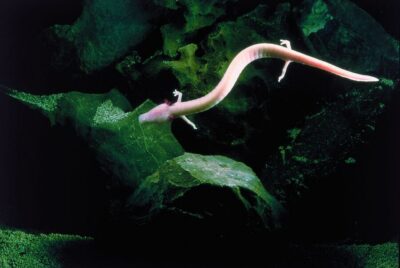
Postojna Cave & Predjama Castle Tickets and Tour
Read our review →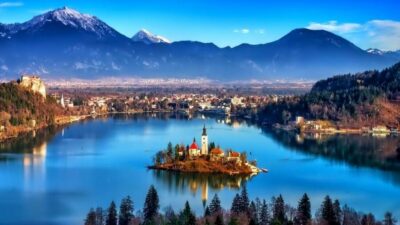
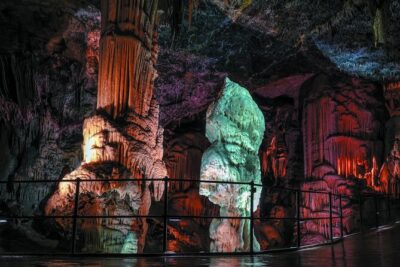
Postojna Cave and Predjama Castle – Entrance Tickets Included
Read our review →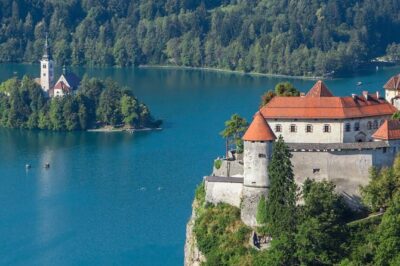
Slovenia in One Day: Lake Bled, Postojna Cave and Predjama Castle
Read our review →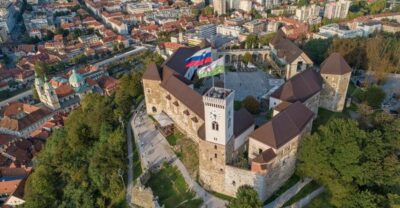
Castle Entry Ticket with Optional Funicular Ride
Read our review →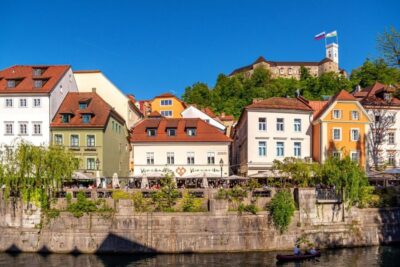
Guided Walk & Funicular Ride to Ljubljana Castle
Read our review →
Browse the lists this tour appears in