
Reviewed · COOKING CLASSES
Slovenia: Belokranjska Pogača Cooking Class
Bread tells a place’s story. This two-hour class introduces you to Belokranjska Pogača, a traditional savory bread from Slovenia’s Bela Krajina region, through a practical lesson with a local host. You knead, roll, shape, bake, and eat your own loaf while learning about Slovenian food and culture.
I like the small group size, limited to 10 people, and the personal teaching style associated with Luka, who explains each stage clearly in English or Slovenian. I also like that the class is more than a recipe lesson: while the dough rests and bakes, you have time to talk about Slovenia, its people, and its past. The main consideration is the meeting point, which can be a little tricky to locate because it involves a small square, an old church, a passageway, and a broken concrete fountain.
In This Review
- Key points at a glance
- Why Belokranjska Pogača makes a good Slovenian food lesson
- Finding the class near the small square
- Meeting Luka and hearing the Slovenian story
- Kneading, rolling, and shaping the dough
- The waiting time is part of the experience
- Tasting your own warm pogača
- What the $53 price really includes
- Who should book this class
- Booking, timing, and cancellation details
- Final verdict: Is the Belokranjska Pogača class worth booking?
- FAQ
- How long does the Belokranjska Pogača cooking class last?
- How much does the class cost?
- What will I learn to make?
- Is the class hands-on?
- Are ingredients and equipment included?
- What languages are available?
- How many people can join the class?
- Is the activity wheelchair accessible?
- Can I cancel for a full refund?
Key points at a glance
- Belokranjska Pogača is the star: Learn to make a traditional savory bread connected with Bela Krajina in southeastern Slovenia.
- A genuinely hands-on lesson: You work with the dough yourself instead of simply watching a demonstration.
- Luka adds local context: His English is described as excellent, and the class includes conversation about Slovenia, its people, and its scenery.
- Small groups keep it personal: With no more than 10 participants, you should have room to ask questions and get help with shaping the bread.
- The baking wait becomes part of the class: While the yeast works and the bread bakes, you have time for conversation and, potentially, Slovenian wine or other drinks.
- Good value at $53: The fee covers instruction, ingredients, equipment, baking, and tasting, with a finished skill and bread to take from the experience in your memory.
Why Belokranjska Pogača makes a good Slovenian food lesson
Belokranjska Pogača is not presented as ordinary table bread. It is a food connected with the Bela Krajina region, and the class explains how it has been passed through generations as part of Slovenian home cooking.
That matters because cooking gives you a more direct connection to a country than simply ordering a local dish in a restaurant. You learn what the food feels like in your hands, how the dough changes as you work it, and why a simple bread can carry family and regional meaning.
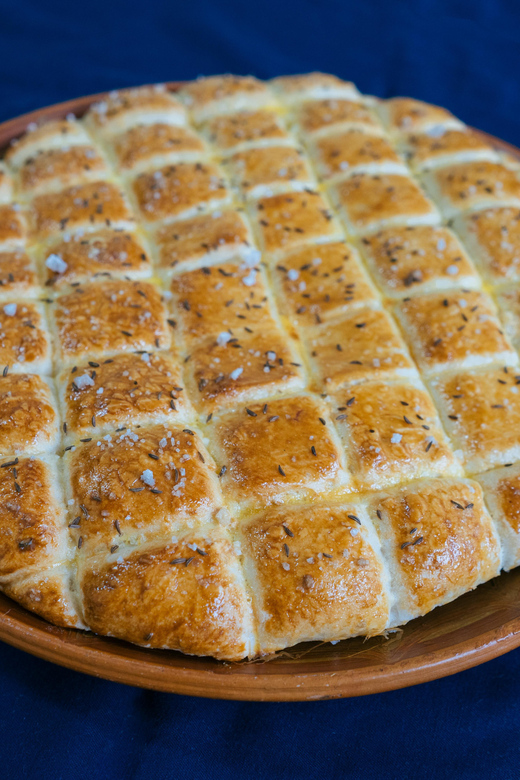
The finished pogača is savory, soft inside, and baked until the outside is golden. Herbs add fragrance and flavor. You are not just memorizing ingredients. You are learning a small piece of Slovenian craftsmanship that you can try again at home.
I also like the scale of the lesson. A two-hour class is long enough to include the background, preparation, waiting time, baking, and tasting, but short enough to fit into a day of sightseeing. It is especially useful if you want a food activity that does not take over your entire schedule.
More cooking sessions in Ljubljana:
- Ljubljana: Traditional Slovenian štrukelj Cooking Class
★ 4.9 · 58 reviews - Gažon to Istria: Truffle Hunting, Cooking & Tasting
★ 4.9 · 43 reviews - sLOVEnian Strukelj Traditional Cooking Class
★ 4.0 · 10 reviews
Finding the class near the small square
The meeting point requires more attention than the average cooking class. Once you reach the area, look for a small square surrounded by buildings. The key landmark is a broken concrete fountain in the middle.
You can approach the shop by passing a Chinese restaurant near the old church, or by using a small passageway through the building near the bus stop. The business has a large clear window, which should help once you are in the right spot.
I would not leave this search until the last minute. The directions are specific, but they are not the sort of instructions you can skim while walking quickly through an unfamiliar town. Save them on your phone, allow extra time, and look for the fountain and clear window rather than relying only on a street address.
Parking advice changes by time of day. In the morning, free parking spaces can be found on the platform behind the building. In the afternoon, call Luka for help with parking. He uses WhatsApp, so having a working phone connection will be useful if you are arriving by car.
The class is also reachable by bus from the city centre, according to one participant’s practical experience. The exact route is not provided, so you should check the current bus information before setting out. The important point is that you do not need to assume a car is essential.
Meeting Luka and hearing the Slovenian story
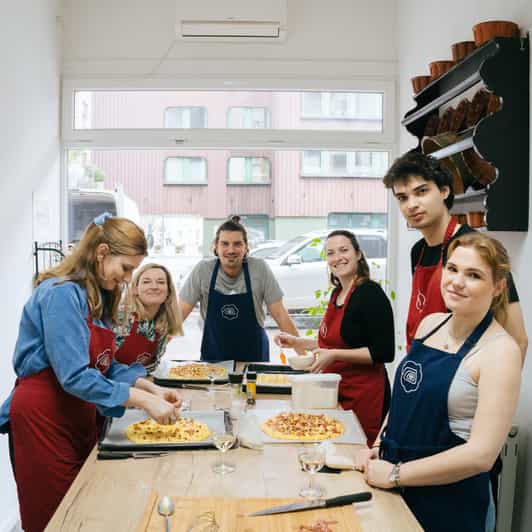
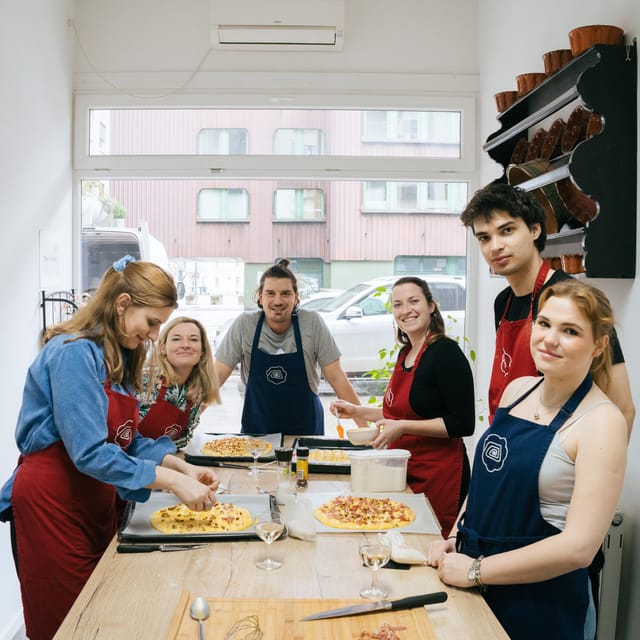
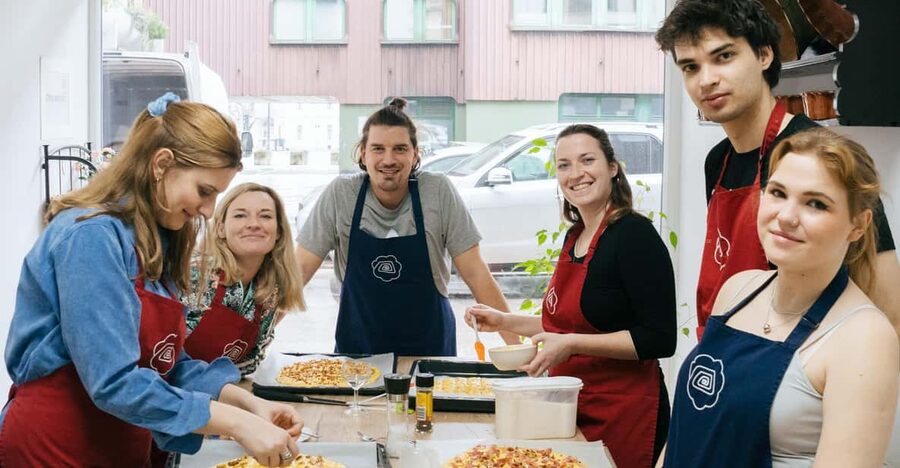
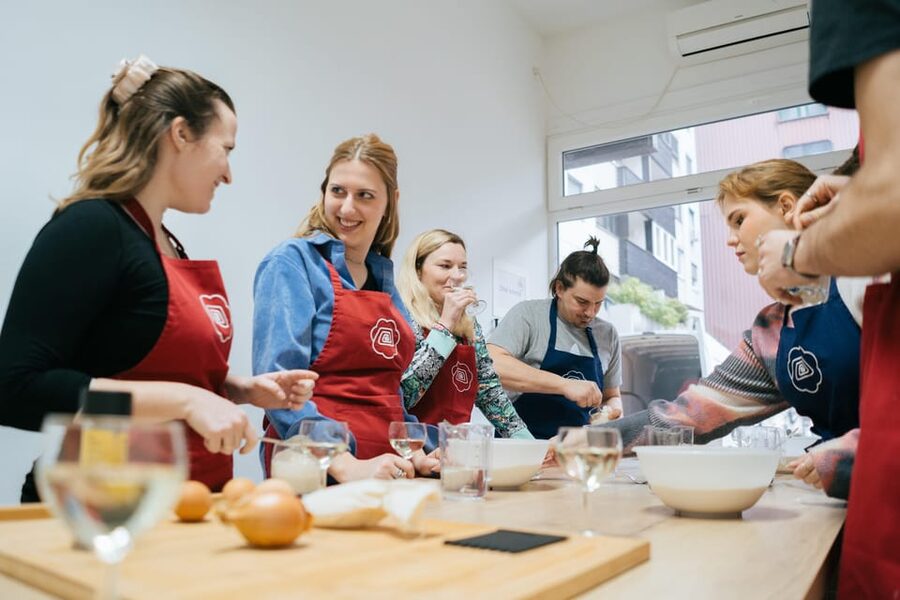
The lesson begins around a large kitchen table, with an introduction to the bread and its place in Slovenian culture. The atmosphere is described as warm and welcoming, rather than formal or chef-school serious.
Luka’s role is a major part of the experience. He explains the steps clearly, speaks excellent English, and uses the waiting periods to talk about Slovenia, its people, and its past. This gives the class a second layer: you are making food while also having the kind of informal conversation that is hard to find in a standard sightseeing stop.
The teaching style also appears suitable for families. One participant specifically noted that Luka handled children and teenagers well. That is useful information if you are planning a family activity and worry that a bread lesson may be too technical or slow for younger participants.
The class can also work well for solo visitors. With only one person attending on one occasion, the session became a private class. You should not assume every booking will be private, but the maximum group size of 10 keeps the setting fairly intimate.
Kneading, rolling, and shaping the dough
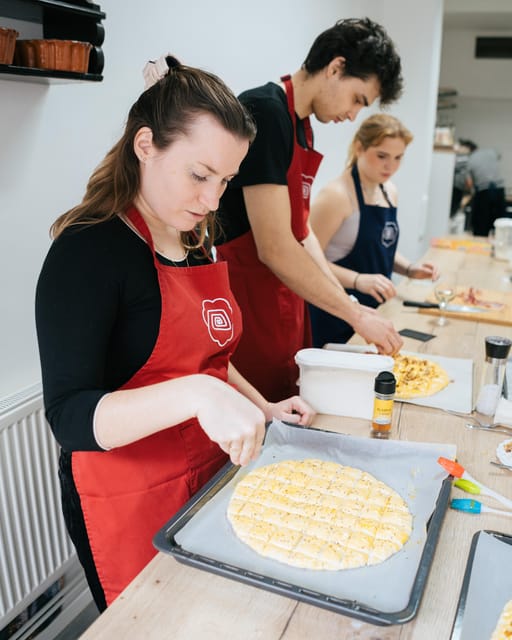
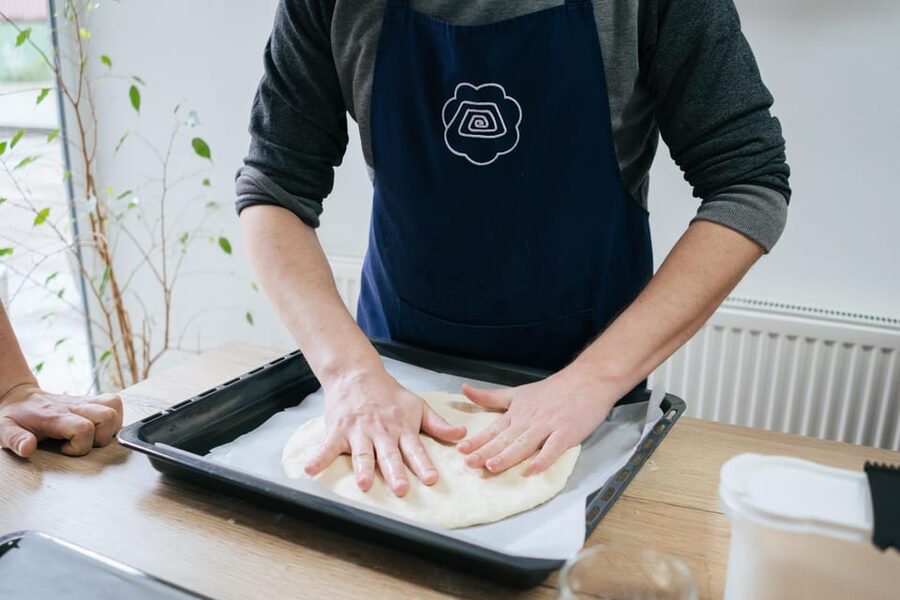
Once the introduction is finished, you put on an apron and begin the practical work. The class includes all necessary ingredients and equipment, so you do not need to bring baking supplies.
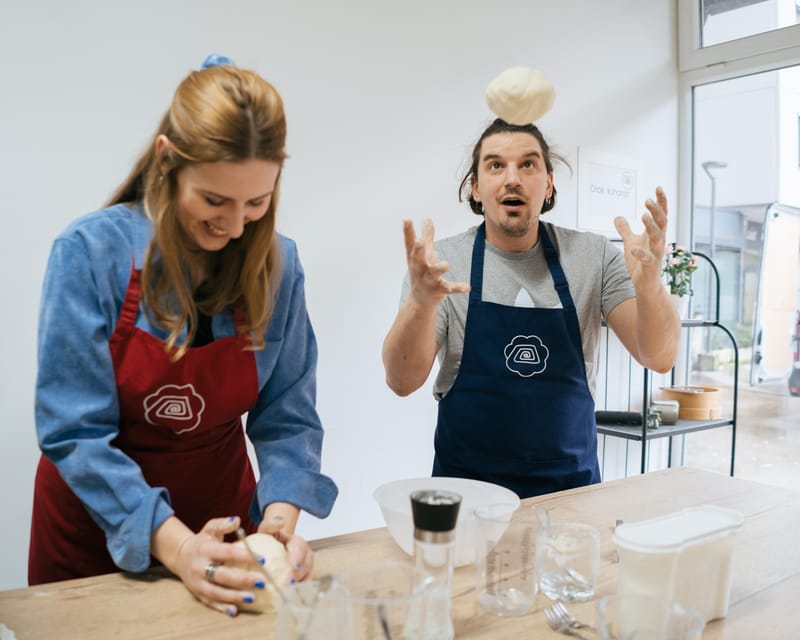
The central task is learning how to handle the dough. You knead it, roll it, and shape it under guidance. This is where the lesson earns its price. You are not merely receiving a recipe card or watching someone else make the bread. You take part in the physical work and learn how the dough should look and feel at each stage.
For an inexperienced baker, clear instructions matter. The class is designed to let you feel successful, even if your loaf is not perfectly shaped. One participant described the process as clearly explained enough to feel like an accomplished baker. That is a good sign for beginners, since bread can seem simple until dough sticks to everything and refuses to behave.
The shaping stage also gives the instructor a chance to correct small mistakes before the bread goes into the oven. In a large demonstration, you might miss those details. Here, the limited group size should make it easier to ask for help.
A few more Ljubljana trips to compare
- Ljubljana: Postojna Cave & Predjama Castle Tickets and Tour
★ 4.9 · 2,146 reviews - From Ljubljana: Trip to Lake Bled and Bled Castle
★ 4.7 · 1,426 reviews - Postojna Cave and Predjama Castle – Entrance Tickets Included
★ 5.0 · 938 reviews - Slovenia in One Day: Lake Bled, Postojna Cave and Predjama Castle
★ 5.0 · 879 reviews
The waiting time is part of the experience
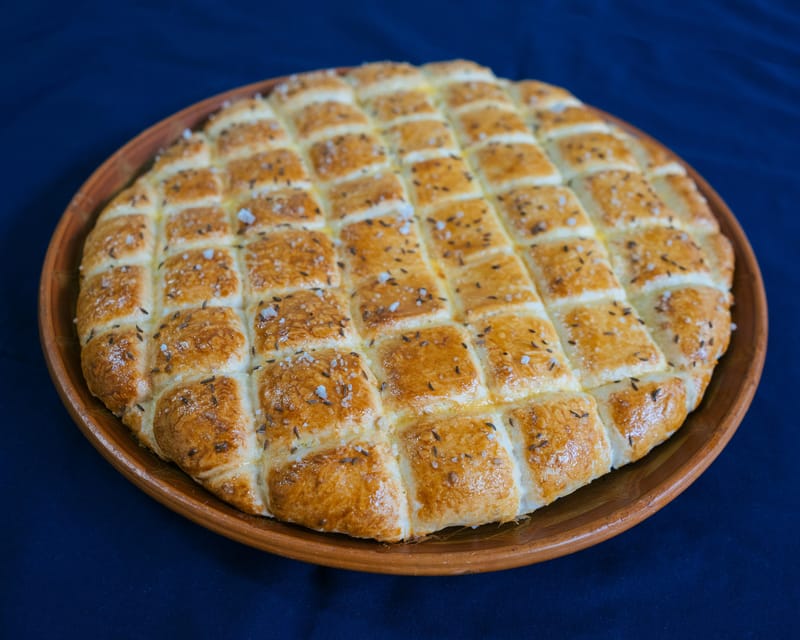
Bread needs time. The yeast must work, the dough must rise, and the shaped pogača must bake. Rather than treating these pauses as dead time, the class uses them for conversation.
This is one of the best features of the two-hour format. You get time to ask about Slovenia beyond food, including its people, past, and scenery. One participant also described sharing Slovenian wine during the waiting periods. Drinks were offered in another class as well, so you may have that added touch, though the supplied information does not specify exactly what is included for every session.
The pauses make the class feel relaxed. You are not racing from one instruction to the next. You can watch the bread change, talk with the host, and enjoy the social side of cooking.
There is a small tradeoff here. If you want nonstop activity, the rising and baking periods may feel slow. I think most people will appreciate the breathing room, but visitors with a very tight schedule should remember that the full class takes about two hours and cannot be rushed through like a quick tasting.
Tasting your own warm pogača
The final stage is the reward: you taste the bread you helped make. The outside should be warm and crusty, while the inside remains soft. Herbs bring earthy notes to the flavor.
Eating your own work changes the experience. Even a simple loaf becomes memorable when you have kneaded and shaped it yourself. The result is also a useful test of the instruction. If the process has been explained well, you leave knowing what the bread should taste like and how the dough should be handled next time.
The class promises an opportunity to bake and taste your own Belokranjska Pogača. It does not say that you take a loaf home, so I would not book it expecting packaged leftovers or a take-home bakery item. The lasting souvenir is the skill, the memory, and the understanding of a regional Slovenian food.
What the $53 price really includes
At $53 per person, the class sits in a reasonable range for a two-hour food activity, especially because the fee includes more than instruction. You get a hands-on lesson, ingredients, cooking equipment, cultural background, baking, and tasting.
The value improves if you care about personal contact. A restaurant meal may cost less, but it will not show you how the food is made or give you time to talk with someone about Slovenian life. A longer professional cooking course may offer more dishes, but it will likely demand more time and money.
The class is particularly good value for a couple, family, or small group that wants one shared activity. It also suits a solo visitor who prefers a personal conversation over a crowded group excursion.
The price is less compelling if your only goal is to eat traditional bread. In that case, a bakery or restaurant may be quicker. You are paying for the process, the instruction, the cultural explanation, and the chance to make something yourself.
Who should book this class
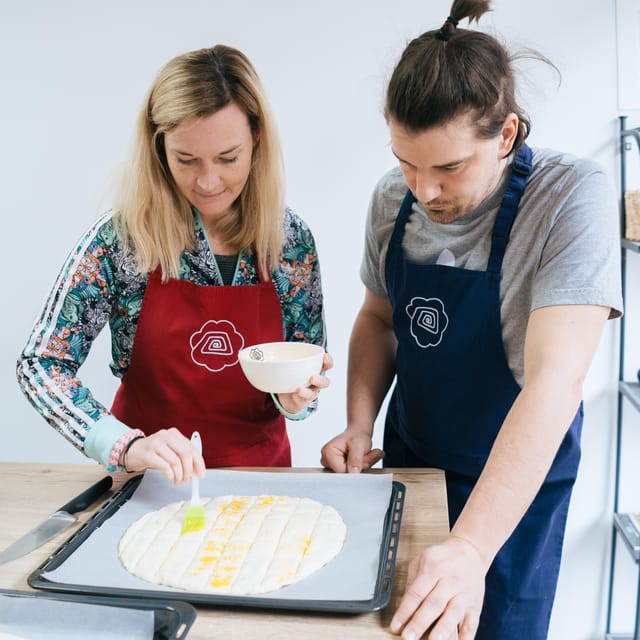
I would recommend it to people who enjoy food with a story. You do not need advanced baking ability, and the clear step-by-step teaching should help beginners feel comfortable.
Families are a strong match, especially because Luka has been praised for working well with children and teenagers. The class gives younger participants something concrete to do, rather than asking them to listen to a long historical talk.
It also suits solo visitors and couples. The group limit of 10 means the atmosphere should be more personal than a large culinary tour. If you are traveling with friends, the shared shaping and tasting can make a good break from museums and walking tours.
You may want to skip it if you dislike yeast-based cooking, have no interest in talking about local culture, or need an activity with a fixed, fast pace. The meeting point also requires care, so it is not ideal for anyone who wants a completely effortless arrival.
The class is wheelchair accessible, which expands its usefulness. Since the meeting area can be confusing, I would still contact the provider in advance if you need specific access information beyond the stated accessibility.
Booking, timing, and cancellation details
The activity lasts two hours, with starting times based on availability. Check the schedule before planning other fixed activities around it.
You can reserve now and pay later, which is useful if your Slovenia plans are still changing. Free cancellation is available up to 24 hours in advance for a full refund.
Instruction is offered in English and Slovenian. If language is important for your group, English is supported, and Luka’s English has been described as excellent.
The experience provider is listed as Polak Tomaž. The practical contact details refer to Luka, including WhatsApp help with afternoon parking. Keep that name available when you arrive or need assistance.
Final verdict: Is the Belokranjska Pogača class worth booking?
Yes, if you want a friendly, hands-on taste of Slovenian culture rather than another passive sightseeing stop. The strongest reasons to book are the clear teaching, the chance to make and eat your own bread, the small group size, and Luka’s ability to add useful conversation about Slovenia while the dough rises.
At $53, the class offers good value for a two-hour activity that includes supplies, instruction, baking, and tasting. I would especially choose it for families, couples, solo visitors, and anyone who enjoys learning through food.
Plan carefully for the meeting point, allow extra time to find the fountain and clear window, and contact Luka about afternoon parking if you are driving. If you do that, this should be an easygoing and memorable way to spend part of your time in Slovenia.
FAQ
How long does the Belokranjska Pogača cooking class last?
The class lasts two hours.
How much does the class cost?
The listed price is $53 per person.
What will I learn to make?
You will learn to prepare Belokranjska Pogača, a traditional savory bread associated with Slovenia’s Bela Krajina region.
Is the class hands-on?
Yes. You take part in kneading, rolling, shaping, baking, and tasting the bread.
Are ingredients and equipment included?
Yes. All necessary ingredients and cooking equipment are included.
What languages are available?
The class is offered in English and Slovenian.
How many people can join the class?
It is a small-group activity limited to 10 participants.
Is the activity wheelchair accessible?
Yes, the activity is listed as wheelchair accessible.
Can I cancel for a full refund?
Yes. You can cancel up to 24 hours in advance for a full refund.
New around Ljubljana
- Zagreb to Slovenia: Discover Bled and Ljubljana in a Day★ 4.7 · 2 reviews
- Woop! Fun park with 21 attractions★ 4.6 · 3 reviews
- Gokart experience at Woop! karting – the fastest attraction★ 4.0 · 5 reviews
- Private Zagreb Tour from Ljubljana★ 4.5 · 3 reviews
- Private Fun Park activity in Ljubljana★ 4.5 · 3 reviews
- Wine and Culinary Adventure in Jeruzalem – Full Day Tour from Ljubljana or Ptuj★ 5.0 · 5 reviews
- Velika Planina Guided Hike from Ljubljana★ 4.0 · 5 reviews
- Private tour of Venice from Ljubljana★ 5.0 · 6 reviews
Cooking Classes, compared.
Private Mediterranean Fish Cooking Workshop with Irena
Read our review →
Istria – Truffles: Hunting & Cooking & Tasting, Slovenia
Read our review →
Gažon to Istria: Truffle Hunting, Cooking & Tasting
Read our review →
Browse the lists this tour appears in