
Reviewed · LJUBLJANA TOURS
Ljubljana: Secrets of the Old Town & Ljubljana’s people
Fairy-tale streets hide serious stories. This two-hour walk makes Ljubljana easier to understand by linking its bridges, water, old squares, and famous Slovenian people. I like the focus on everyday life as well as the past, and I like that the route covers many central sights without wasting time. The main consideration is the pace: you will be on foot for two hours, so comfortable shoes matter.
The tour costs $58 per person, which is fair if you want a guided introduction rather than a quick look at the main sights. A possible drawback is that entry tickets are not included, although the advertised route focuses mainly on outdoor viewing and city interpretation.
The guides bring the city to life in different ways. Arthur is praised for his passion and friendly manner, while Klemen is noted for clear, interesting facts and an efficient route. With an overall rating of 4.7 from 42 reviews, the strongest pattern is simple: the quality of the guide makes this experience work.
In This Review
- Key points to know before you book
- Why this Ljubljana walk is useful on a first visit
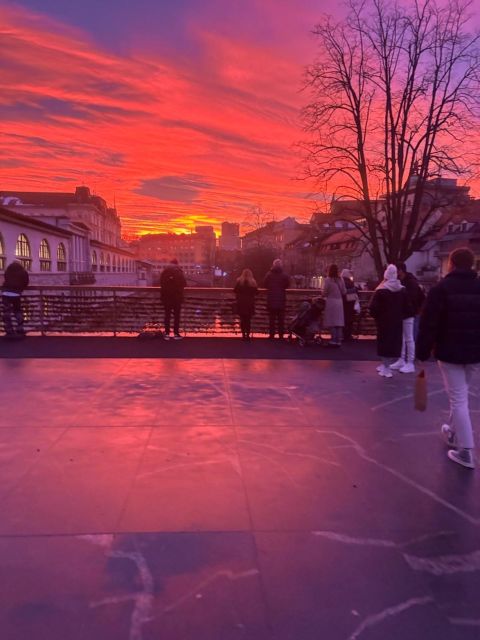
- Starting beside the river and the Dragon Bridge
- The Central Market and Ljubljana’s daily rhythm
- The cathedral, fountain, and three bridges
- Congress Square, Star Park, and the National Library
- Cobblers Bridge, the secret street, and City Hall
- The bigger story: Roman beginnings, earthquake, and a green capital
- How good is the guiding?
- Is $58 a fair price for two hours?
- Practical advice for the two-hour walk
- Who should book this Ljubljana experience?
- Should you book the Old Town and Ljubljana’s People tour?
- FAQ
- How long does the Ljubljana Old Town tour last?
- What language can the guide speak?
- What sights are included on the walking route?
- Is the tour private?
- Is the tour wheelchair accessible?
- Are entry tickets included?
- What should I bring?
- Can I cancel for a refund?
- Can I reserve now and pay later?
Key points to know before you book
- Water shapes the route: The Ljubljanica River, its bridges, fountains, and market help explain how the city developed.
- Many major sights fit into two hours: You see the Dragon Bridge, Triple Bridge, Central Market, cathedral, City Hall, Congress Square, and more.
- The tour connects past and present: Roman beginnings, the Middle Ages, the earthquake, modern life, and future plans all appear in the story.
- Slovenian culture gets a human face: Important figures are introduced through monuments, buildings, and even images on old money.
- The guide matters: Arthur and Klemen are both praised for passion, useful facts, and a well-judged walking pace.
- Plan for an outdoor walk: Bring sturdy shoes, water, and an umbrella. The tour is wheelchair accessible, but it still requires two hours of walking.
Why this Ljubljana walk is useful on a first visit
Ljubljana is compact, pretty, and easy to underestimate. You can stroll through the center in a short time, snap photographs of the bridges, and leave without knowing why the city looks the way it does. This tour aims to fill in those gaps.
I like that it does not treat Ljubljana as a collection of postcard views. The guide explains how people live in the city now, what changes may come next, and how earlier periods still shape the center. That wider view gives you better bearings for the rest of your stay.
The route also looks at Ljubljana through several themes rather than one long date list. Water, bridges, food, shops, public squares, architecture, poetry, and national identity all have a place. That makes the walk easier to follow, especially if you are not already familiar with Slovenian history.
The experience is conducted in several languages: Czech, Croatian, English, German, Polish, Slovenian, Spanish, and Italian. A private group option is available, though the exact group arrangement depends on the booking you choose.
A few more Ljubljana trips to compare
- Ljubljana: Postojna Cave & Predjama Castle Tickets and Tour
★ 4.9 · 2,146 reviews - From Ljubljana: Trip to Lake Bled and Bled Castle
★ 4.7 · 1,426 reviews - Postojna Cave and Predjama Castle – Entrance Tickets Included
★ 5.0 · 938 reviews
Starting beside the river and the Dragon Bridge
The walk begins in the central area, with the stated meeting point at Mestna Hiša, Trubarjeva cesta 4. Check your confirmation carefully because the precise meeting point can vary by booking option.
Water is one of the tour’s main ideas. The Ljubljanica is not just a scenic ribbon through the center. It helps explain the city’s layout, its public spaces, and the importance of its bridges. The guide uses the river to connect practical city life with architecture and local identity.
The Dragon Bridge is one of the most recognizable stops. Its dragons are a quick visual introduction to Ljubljana, but the value of stopping here is hearing why bridges matter so much in the city’s story. You get a chance to look closely, take photographs, and place the bridge within the wider route.
The Butchers Bridge offers a different mood. It continues the water theme while bringing you closer to the modern life of the riverfront. The contrast between older landmarks and newer public spaces helps show that Ljubljana is not frozen in a historical display.
The Central Market and Ljubljana’s daily rhythm
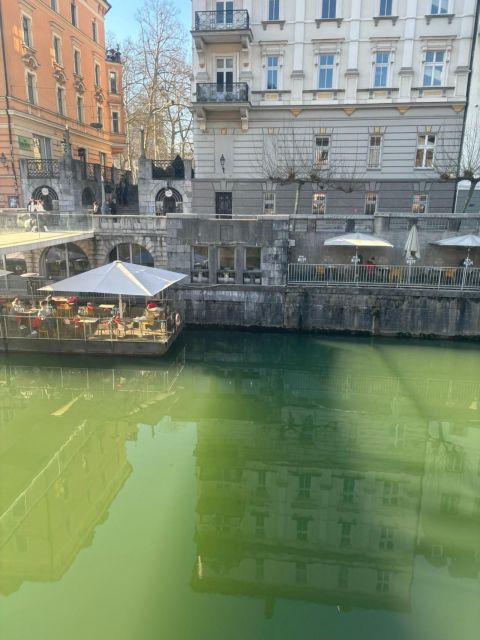
The Central Market gives the route a welcome change of pace. Instead of looking only at monuments, you get a sense of food, shopping, and ordinary activity in the center.
I value this part because it helps answer a basic question: what is the Old Town for today? It is not only a place for photographs and historic façades. It remains connected to local routines, restaurants, shops, and public life.
The guide also points out food and restaurant options. That advice can be useful early in your stay, since you can return later with a better idea of where the center’s eating and shopping areas fit together. The tour does not include food, so think of this as orientation rather than a tasting experience.
The market can be active, and the route may feel less quiet here than on a small side street or square. That is part of the point, though. You are seeing the city as a working center, not just as a pretty backdrop.
The cathedral, fountain, and three bridges
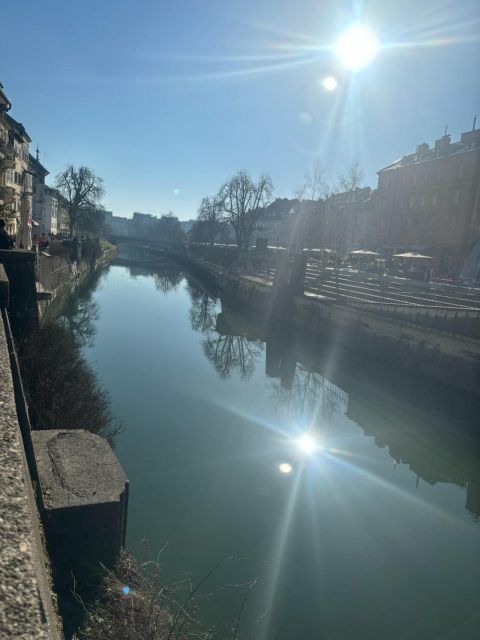
The cathedral is another major stop. The route places it alongside the Fountain of Three Rivers, a useful pairing because both sights help explain the city’s public art and civic identity.
The fountain is especially relevant to the tour’s water theme. You are not simply collecting one more photograph. You are seeing how water appears in Ljubljana’s symbols, streets, and public spaces.
The Three Bridges, or Triple Bridge, brings together movement, design, and the river in one place. It is one of the clearest examples of how Ljubljana’s center is organized around crossing and gathering. The guide’s role here is to explain the connections, not just point out the structure.
The main square adds another layer. This is where the route turns toward Slovenian culture and a love story involving a poet. That detail gives the square a personal angle and keeps the discussion from becoming a dry account of buildings and dates.
You will likely hear about the people who helped shape Slovenian culture, including figures represented on old money. That is a memorable teaching device. Currency is something you may recognize later in a museum, shop, or history book, so the faces become easier to place.
Elsewhere in Slovenia, a very different day:
- Slovenia in One Day: Lake Bled, Postojna Cave and Predjama Castle
★ 5.0 · 879 reviews - Ljubljana: Lake Bled and Bohinj Tour with Savica Waterfall
★ 4.8 · 818 reviews - Ljubljana: Castle Entry Ticket with Optional Funicular Ride
★ 4.3 · 718 reviews - From Ljubljana: Lake Bled & Postojna Cave with Entry Tickets
★ 4.8 · 694 reviews
Congress Square, Star Park, and the National Library
Congress Square and Star Park provide room to think about Ljubljana as a civic center. The route moves from the riverfront and compact lanes into a broader public setting, where important events, institutions, and city life meet.
The National Library is another stop where architecture carries meaning. Even if you do not enter, the outside helps show how modern Slovenian identity is expressed through public buildings.
You should not expect a long indoor museum visit. Entry tickets are not included, and this is primarily a walking tour. The benefit is coverage: you see more of the center and hear how the parts fit together instead of spending the full two hours inside one site.
This section may appeal most to people who enjoy buildings and cultural context. If your main goal is interior art or a detailed architectural study, you may want to add a separate visit after the walk.
Cobblers Bridge, the secret street, and City Hall
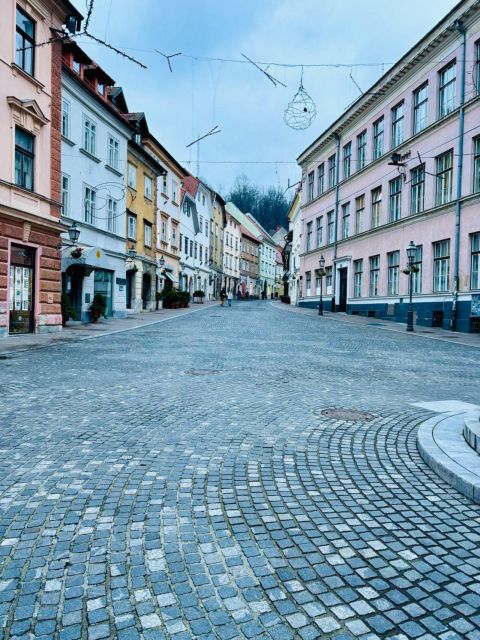
Cobblers Bridge continues the tour’s close look at crossings over the Ljubljanica. Each bridge has its own character, and seeing several in sequence helps you understand why bridges are central to Ljubljana’s identity.
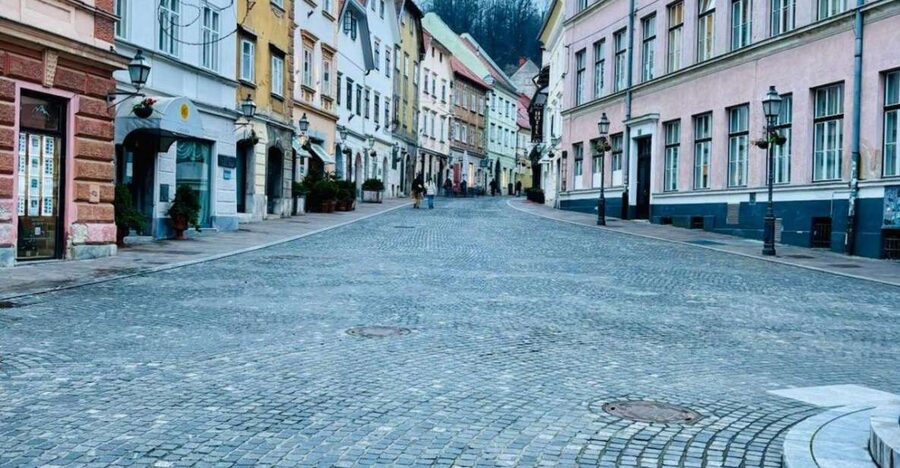
The route also includes a tiny, less obvious street. This is a small detail, but it may be one of the most useful parts for a first-time visitor. Main sights are easy to find on a map. A narrow lane is the sort of place you might miss without someone who knows the center well.
Food, shops, and restaurants appear again here as practical orientation. You can use the walk to mark places for later, especially if you prefer to choose meals and shopping areas after seeing the city on foot.
City Hall brings the route back to the civic heart of Ljubljana. It is a fitting finish because the tour begins with broad questions about how the city lives today and ends among the institutions that represent it.
The walk returns to the stated starting area at Mestna Hiša, Trubarjeva cesta 4. That makes the end convenient for continuing on foot, finding lunch, or heading back to your accommodation, though the exact drop-off point should be checked with your booking details.
The bigger story: Roman beginnings, earthquake, and a green capital
One of the tour’s best features is its time span. You will hear about Roman-era Ljubljana, the Middle Ages, and the changes that followed a major earthquake. The aim is not to turn two hours into a university lecture. It is to show why the center contains such different layers.
The earthquake reference is important because it helps explain why parts of the city do not all share the same age or style. Looking at Ljubljana as a city shaped by rebuilding makes the streets more interesting than simply labeling them old.
The guide also discusses why Ljubljana is called the green capital of Europe. You get the explanation through the guide and through your own observations during the walk. The tour connects public spaces, the river, pedestrian areas, and the city’s plans for the future.
That present-day angle is a real strength. Many historic walks stop once the old stones have been explained. Here, you also hear how residents live now and what the city hopes to do next. I would especially recommend this to you if you want more than a checklist of monuments.
How good is the guiding?
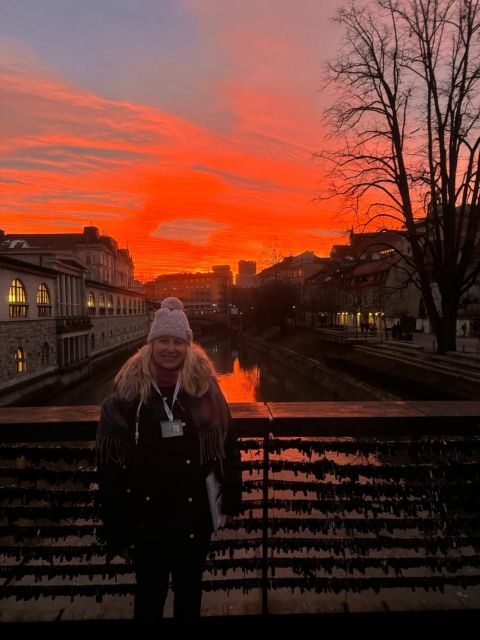
The route covers a lot, so the guide has to keep the story moving. Arthur is praised for speaking with strong passion and for being friendly. Klemen receives praise for useful facts, interesting explanations, and a walking pace that covers plenty without feeling excessive.
Those details matter. A two-hour city walk can easily become either rushed or padded with general information. The praise for an efficient route suggests that this experience uses the time well.
The language choice is also generous. You can select from English, Slovenian, German, Italian, Spanish, Czech, Croatian, Polish, and other listed options. Confirm the language and meeting point when booking, since both can affect how comfortable and useful the tour feels.
A private group is available. That may suit you if you want to ask more questions, keep a slower rhythm, or focus on particular interests. The standard experience is still a sensible choice if you want a structured introduction at a set price.
Is $58 a fair price for two hours?
At $58 per person, this is not the cheapest way to walk through Ljubljana. You can see many of the sights from the street without paying for a guide. The question is what you want from those two hours.
I think the price is reasonable if you value interpretation, local recommendations, and a clear route through the center. You are not paying for admission to a major attraction. You are paying for someone to explain the relationship between the river, bridges, squares, national culture, and modern city planning.
The value is strongest on a first visit. You can use the walk to plan the rest of your time, return to places that caught your interest, and avoid treating the Old Town as a series of disconnected photo stops.
The price is less attractive if you have already taken a detailed Ljubljana tour or prefer exploring alone. In that case, you may get more from choosing a museum, entering the cathedral if available, or simply walking at your own pace.
Practical advice for the two-hour walk
Wear comfortable shoes. The route includes many streets, bridges, squares, and pedestrian areas, and the tour requires a moderate level of fitness.
Bring a reusable water bottle and an umbrella. The experience takes place outdoors, so weather can affect your comfort. A camera is useful for the bridges, river, squares, and architecture, though photography is not the only reason to go.
Carry some cash. The tour information recommends it, and you may want it for food, shops, or other personal expenses during or after your time in the center.
Drones, alcohol and drugs, feeding animals, and audio recording are not allowed. These rules keep the walk orderly and avoid problems in public spaces.
The tour is wheelchair accessible, but two hours on foot still requires planning. If you use a wheelchair or have mobility concerns, confirm the route and meeting details before booking, then allow enough time for a comfortable pace.
Free cancellation is available up to 24 hours before the start for a full refund. You can also reserve now and pay later, which is helpful if your schedule is still changing.
Who should book this Ljubljana experience?
I would recommend it most strongly to first-time visitors who want a clear introduction in a short window. It also suits you if you like culture, public spaces, architecture, local food suggestions, and stories about people rather than only dates.
The tour is a good fit before a longer stay because it gives you a map in your head. You will know where the market, bridges, squares, City Hall, National Library, cathedral, and restaurant areas sit in relation to one another.
Families and older visitors may appreciate the compact two-hour length, but the walking requirement should not be ignored. Independent explorers may find the price high if they only want to see the sights, while private groups can gain more from the chance to shape the conversation.
Should you book the Old Town and Ljubljana’s People tour?
Book it if you want the center explained rather than simply photographed. The combination of water, bridges, old streets, Slovenian cultural figures, the earthquake, and modern city plans gives the tour a useful sense of purpose.
I would choose it early in your Ljubljana visit, ideally when you still have time to return to the places that interest you. The strongest reason to book is the guide-led storytelling, with Arthur and Klemen receiving especially warm praise for passion, clear facts, and a sensible pace.
Skip it if you prefer a completely self-guided walk or need substantial indoor time. For everyone else, $58 buys a focused introduction to a small capital with more layers than its charming size first suggests.
FAQ
How long does the Ljubljana Old Town tour last?
The guided walking tour lasts two hours.
What language can the guide speak?
The listed guide languages are Czech, Croatian, English, German, Polish, Slovenian, Spanish, and Italian.
What sights are included on the walking route?
The route includes the Dragon Bridge, Butchers Bridge, Central Market, cathedral, Fountain of Three Rivers, Three Bridges, the main square, Congress Square, Star Park, National Library, Cobblers Bridge, a tiny street, and City Hall.
Is the tour private?
A private group option is available. The exact group type depends on the option you book.
Is the tour wheelchair accessible?
Yes, the experience is listed as wheelchair accessible. It still involves a two-hour walk, so consider your personal mobility needs and confirm route details before booking.
Are entry tickets included?
No. Entry tickets are not included in the tour price.
What should I bring?
Bring comfortable shoes, an umbrella, a camera, cash, and a reusable water bottle.
Can I cancel for a refund?
You can cancel up to 24 hours in advance for a full refund.
Can I reserve now and pay later?
Yes. The tour allows you to reserve your place and pay later.
New around Ljubljana
- Zagreb to Slovenia: Discover Bled and Ljubljana in a Day★ 4.7 · 2 reviews
- Woop! Fun park with 21 attractions★ 4.6 · 3 reviews
- Gokart experience at Woop! karting – the fastest attraction★ 4.0 · 5 reviews
- Private Zagreb Tour from Ljubljana★ 4.5 · 3 reviews
- Private Fun Park activity in Ljubljana★ 4.5 · 3 reviews
- Wine and Culinary Adventure in Jeruzalem – Full Day Tour from Ljubljana or Ptuj★ 5.0 · 5 reviews
- Velika Planina Guided Hike from Ljubljana★ 4.0 · 5 reviews
- Private tour of Venice from Ljubljana★ 5.0 · 6 reviews
Ljubljana Tours, compared.
Postojna Cave & Predjama Castle Tickets and Tour
Read our review →
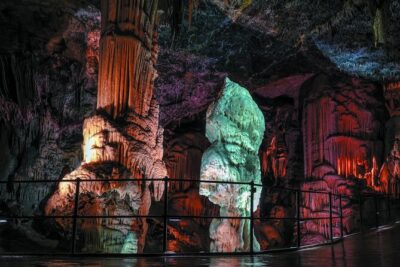
Postojna Cave and Predjama Castle – Entrance Tickets Included
Read our review →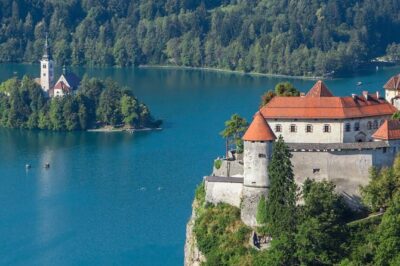
Slovenia in One Day: Lake Bled, Postojna Cave and Predjama Castle
Read our review →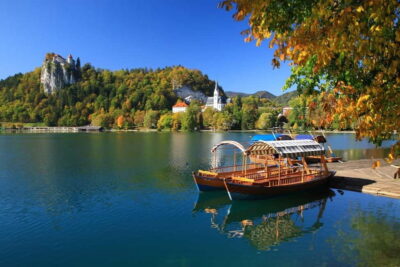
Lake Bled and Bohinj Tour with Savica Waterfall
Read our review →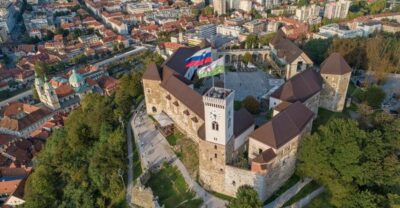
Castle Entry Ticket with Optional Funicular Ride
Read our review →
Guided Walk & Funicular Ride to Ljubljana Castle
Read our review →Browse the lists this tour appears in