
Reviewed · WINE TOURS
Goriška Brda: Wine Walk and Tasting
Good wine starts long before the first sip. At Pintar Wine Estate, you walk through five vineyards, visit the cellar, and connect each glass to the soil, weather, and daily work of Goriška Brda. The two-hour visit costs $47 per person and is led by Sacha, the owner and winemaker.
I especially like the personal guiding and the tasting of five estate wines with local cold cuts and cheeses. I also like that this is not just a seated wine flight. You see about 9,000 vines, learn how the vines change through the year, and hear how Alpine and Mediterranean conditions shape the grapes. The main consideration is practical: transportation is not included, and the walking portion is not suitable for wheelchair users or people with mobility impairments.
In This Review
- Key points to know before you go
- Why this Goriška Brda visit feels different
- Starting at Brestje 12a
- Walking through five vineyards
- Learning why the soil and climate matter
- Inside the winery and cellar
- The tasting with local food
- What the five wines tell you
- The human side of Pintar Wine Estate
- Price, timing, and who gets the best value
- My practical advice before booking
- Should you book the Pintar wine walk?
- FAQ
- Where does the wine walk begin?
- Is transportation to the estate included?
- How long does the activity last?
- Which wines are included in the tasting?
- What food comes with the wine tasting?
- What languages can the guide speak?
- Is the activity suitable for people with mobility impairments?
Key points to know before you go
- Five vineyards, 9,000 vines: See Merlot, Cabernet Sauvignon, Chardonnay, Malvasia, and Rebula growing in the estate’s fields.
- Sacha leads the visit: The owner and winemaker explains the estate’s work in a personal, hands-on way.
- Five wines with food: The tasting includes estate-produced wines, cold cuts, and cheeses rather than wine alone.
- A real cellar visit: You learn about winemaking tasks and may taste wine still in production when the season allows.
- A private two-hour outing: The format suits couples, families, or small groups who prefer direct conversation.
- Come prepared to walk: Wear comfortable shoes, bring sun protection, and dress for the weather.
Why this Goriška Brda visit feels different
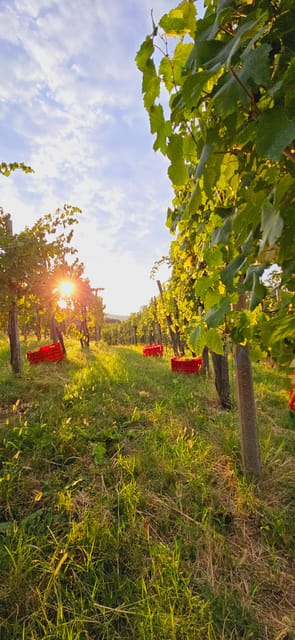
Goriška Brda is a wine region in central Slovenia shaped by two climates. Alpine air influences the area from one direction, while Mediterranean warmth comes from another. Add the region’s rolling relief and varied soil conditions, and you get a place where the growing conditions are part of the wine story, not just background scenery.
That connection is the heart of this visit. You do not simply arrive at a cellar, taste five pours, and leave with a shopping list. You walk through the vineyards first, then see the work that follows inside the winery, and only afterward sit down to taste the finished wines with food.
I find that order useful. It gives you a better sense of why Rebula may be treated as a local specialty while Merlot, Cabernet Sauvignon, Chardonnay, and Malvasia show the estate’s wider range. You are also seeing the actual setting where the grapes grow, instead of hearing a general speech about regional wine.
The visit is run by Pintar Wine and Guest Estate, a small, family-run operation. The owner, Sacha, is described as passionate and generous with explanations. The personal scale matters here. You can ask about vineyard work, the wine cellar, and the estate’s story without being folded into a large coach group.
More Food Tours in Ljubljana
- 2-Hour Interactive Wine Tasting Experience in Ljubljana
★ 5.0 · 382 reviews - Ljubljana Small Group Food Walking Tour
★ 5.0 · 306 reviews - Food & Wine Tour Ljubljana – Local Foodie Adventure in Slovenia
★ 5.0 · 262 reviews
Starting at Brestje 12a
You meet at Brestje 12a, the address of the estate. The property is accessible by car, with free parking available, but getting there is your responsibility. There is no transportation to or from the estate included in the $47 price.
That makes a car the simplest option. Follow the address and the signs to the estate, then look for your guide on arrival. Since the activity is offered as a private group, it is worth allowing a few extra minutes to find the property without turning the start of the visit into a rushed affair.
The timing is also worth thinking about. The full activity lasts two hours, with about 30 minutes for the vineyard walk, 30 minutes at the winery, and one hour for the tasting. If you are planning other stops in Goriška Brda, this fits neatly into a half-day plan, but wine tasting can make the next stop less urgent than you expected. Plan your driving carefully.
Walking through five vineyards
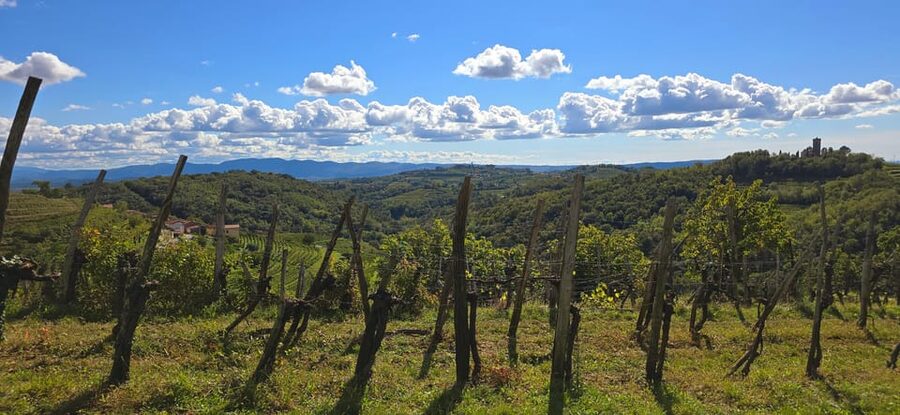
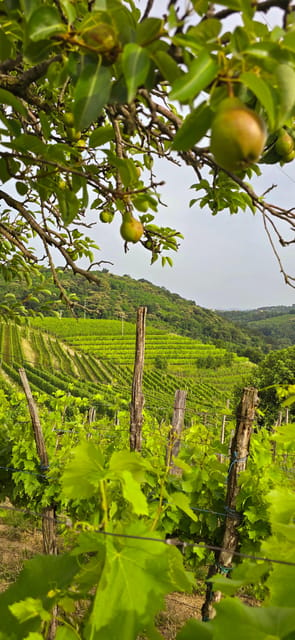
The first major part of the visit is a guided walk through five vineyards. Along the way, you see around 9,000 vines and several grape varieties, including Merlot, Cabernet Sauvignon, Chardonnay, Malvasia, and Rebula.
The guide uses the vines to explain their life cycle and the tasks involved in caring for them. That can include the seasonal rhythm of vineyard work, the needs of different grape varieties, and the way the estate manages its growing areas. The exact work you see may depend on the time of year, but the tour is designed to show how winegrowing is a year-round job rather than a harvest-only activity.
The walk also gives you scenic views across the Brda area. This is where comfortable shoes matter. The activity is not described as a strenuous hike, but it does involve walking through vineyard areas, and the estate specifically advises suitable footwear, a hat, sunscreen, and weather-appropriate clothing.
You should also be ready for sun. Vineyards can offer attractive views but not constant shade. If you are visiting during a warm spell, a hat and water are sensible additions even though only comfortable shoes, a hat, and sunscreen are specifically listed as recommended items.
A nice touch is the chance to connect the grapes with the finished wines. Seeing Rebula or Malvasia in the vineyard can make the tasting later feel more grounded. You are not just memorizing grape names. You are seeing where they begin.
Learning why the soil and climate matter
The guide explains how the region’s soil conditions work with the meeting of Alpine and Mediterranean climates. The relief of Goriška Brda also affects the vineyards, helping create sunny growing locations suited to high-quality grapes.
This part is valuable because wine descriptions can become vague very quickly. Here, the explanation is tied to visible features around you: the slope, the exposure to sunlight, the position of the vineyards, and the conditions the vines face. You get a clearer idea of why the same grape can produce different results in different places.
The tour also covers Brda’s everyday life and past. It is not presented as a separate history lecture. Instead, the story comes through the vineyards, the work at the estate, and the way winegrowing fits into the region. That approach should suit you if you prefer local context woven into an outing rather than a long formal presentation.
Sacha’s role makes a difference. As the owner and winemaker, he can connect the practical jobs in the field with the choices made in the cellar. The tone is likely to be more direct than polished, which is a good thing for anyone who wants to understand how a small estate actually works.
More Walking Tours in Ljubljana
- Ljubljana: Guided Walk & Funicular Ride to Ljubljana Castle
★ 4.6 · 576 reviews - Ljubljana: Slovenian Cuisine Walking Tour with Tastings
★ 4.8 · 472 reviews - Ljubljana: 2h walking tour with local guide
★ 4.7 · 433 reviews - Ljubljana boat cruise and walking tour
★ 4.5 · 285 reviews
Inside the winery and cellar
After the vineyard walk, you spend about 30 minutes visiting the winery. This is where the focus shifts from growing grapes to turning them into wine.
You learn about winemaking tasks and the steps involved in the process. In season, you may also have the chance to taste wines that are still being made. That seasonal detail is important. It means this part of the visit can change depending on when you go, so you should treat an in-the-making tasting as a possibility, not a guarantee.
The cellar visit adds value to the price because you are getting more than a standard tasting room stop. You see the working side of the estate before tasting the completed wines. For someone new to wine, that can help explain why the final bottle involves so much time and care. For a wine enthusiast, it gives you a chance to ask more specific questions about the estate’s methods.
The winery portion is short, only about half an hour, but that seems sensible within a two-hour program. The main focus remains the connection between vineyard, cellar, and tasting rather than a long technical tour of every piece of equipment.
The tasting with local food
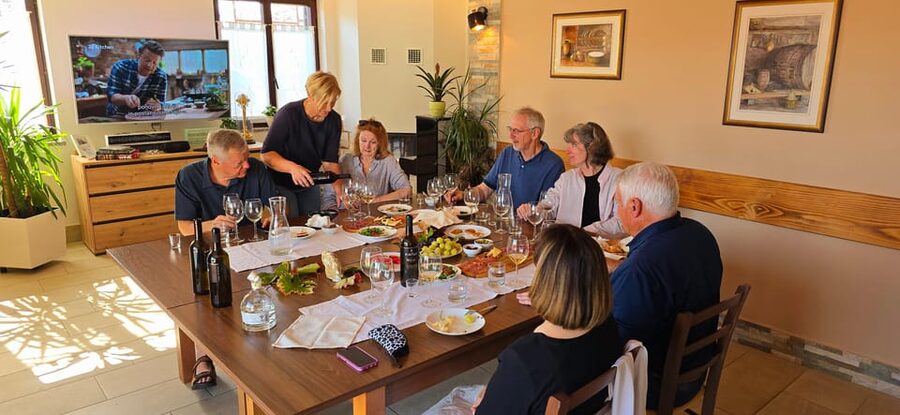
The final hour takes place at a viewpoint, where you taste five wines made by the estate. The lineup includes Merlot, Cabernet Sauvignon, Chardonnay, Malvasia, and Rebula.
A guided tasting helps you compare the wines instead of treating them as five unrelated drinks. You can ask about the grapes, the growing conditions, and the production choices while the vineyard walk and cellar visit are still fresh in your mind.
The food pairing is a real strength. You receive a platter of local delicacies, including cold cuts and cheeses. This gives the tasting a more complete local character and makes the $47 price easier to justify. You are paying for the walk, the instruction, the winery visit, five pours, and a small food spread, not just a flight of wine.
The setting at a viewpoint also gives the last section a sense of place. You can look back across the area while tasting wines made from the vineyards you have just visited. That is a more satisfying finish than ending at an anonymous bar.
There may occasionally be a small surprise included with the tasting. The details are not fixed, so I would not book this expecting a particular extra item. Think of it as a pleasant possibility rather than part of the core package.
The wines are paired with a platter rather than a full meal. If you arrive hungry, keep that in mind and eat beforehand or plan a later meal. The cold cuts and cheeses are suited to the tasting, but this is still a wine experience, not a restaurant lunch.
What the five wines tell you
The range of grapes gives the tasting a useful structure. Merlot and Cabernet Sauvignon represent familiar red varieties, while Chardonnay is a widely known white grape. Malvasia and Rebula bring more local identity to the table.
Rebula is especially important to the regional story because it is one of the area’s traditional grapes. Tasting it alongside international varieties helps you notice the difference between a wine region’s global offerings and its local character.
You do not need advanced wine knowledge to enjoy this. The tour is designed around explanation, and the owner’s role means you can ask simple questions without feeling out of place. If you already know your way around a wine list, you can focus on the estate’s growing conditions and winemaking choices.
The food also keeps the tasting relaxed. A cold cut and cheese platter gives you something to eat between samples, helps show how the wines work with local flavors, and turns the final hour into a social part of the visit.
The human side of Pintar Wine Estate
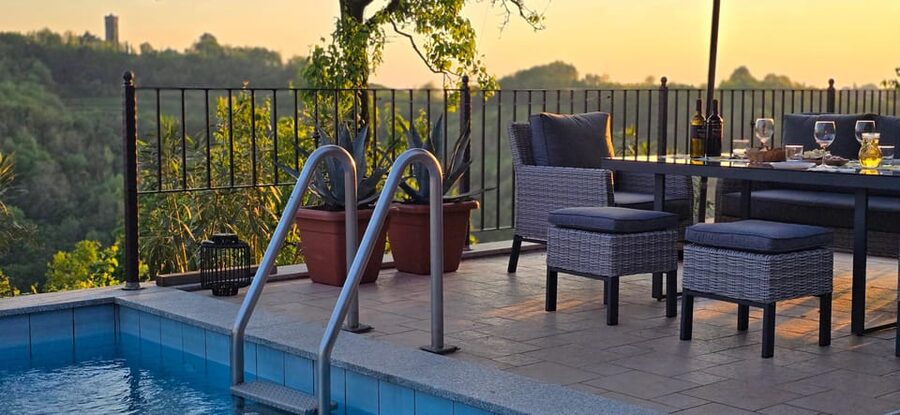
The most strongly praised part of this outing is the hosting. The available feedback repeatedly highlights the friendly hosts, the time they spend with visitors, and their passion for the estate and its wines.
One particularly useful detail is that the family members may all take part in the experience. That reinforces the sense that you are visiting a working family business rather than attending a standardized presentation. The atmosphere appears warm and generous, with time for questions and conversation.
Sacha is singled out for telling the story of the wines and the estate with passion. That matters because a two-hour visit can feel either hurried or personal depending on the guide. Here, the emphasis is on taking time with the explanations and the tasting.
The setting is also praised for its beauty, but the people seem to be the main reason the experience earns such strong marks. You should book this if direct contact with a winemaker matters more to you than a grand winery building or a formal tasting room.
Price, timing, and who gets the best value
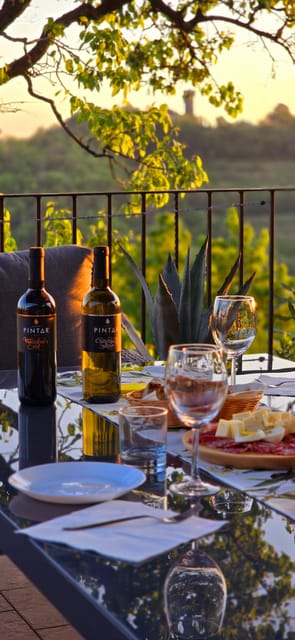
At $47 per person, the price is fair for a private two-hour visit that includes a guided vineyard walk, a winery visit, five estate wines, and cold cuts and cheeses. The cost becomes especially reasonable if you value the owner-led explanations and the chance to see the vineyards before tasting.
It may not be the right choice if you only want a quick drink or the lowest possible tasting fee. A shorter cellar stop might cost less, and this outing asks you to spend time walking and listening before the glasses arrive.
The private-group format is a strong benefit for couples and small parties. You can ask questions at your own pace, and the guide can focus on your interests. The activity is also available in Slovenian, Serbo-Croatian, Italian, and English, which makes it practical for a mixed-language group.
The visit is not suitable for pregnant women, wheelchair users, or people with mobility impairments. Since you walk through vineyards, check your comfort level before booking. You should also advise the estate of any dietary requirements when you reserve and again at the tasting.
Advance booking is required. You can cancel up to 24 hours before the activity for a full refund, and the reserve-now, pay-later option helps if your Slovenia plans are still shifting.
My practical advice before booking
Wear shoes you can walk in comfortably, not your nicest vacation shoes. Add a hat and sunscreen, and dress for the weather because part of the activity is outdoors.
Plan to arrive by car and use the free parking at the estate. Since transportation is not included, this experience works best as a deliberate stop in your Goriška Brda schedule rather than something you try to reach between unrelated activities.
Tell the estate about dietary needs when booking. The standard food includes cold cuts and cheese, so this is not a detail to leave until the last minute.
Finally, leave room in your day for conversation. The strongest part of the visit is the personal contact with the owners and winemaker. If you rush in, rush through the tasting, and rush out, you will miss much of what makes this small estate special.
Should you book the Pintar wine walk?
Yes, if you want a personal introduction to Goriška Brda that combines scenery, vineyard work, winemaking, and food. The five-wine tasting is only one part of the outing, and the vineyard walk gives the glasses more meaning.
I would choose it for couples, small private groups, wine-curious visitors, and anyone who prefers a family-run estate to a large commercial winery. It is also a good fit if you want regional context along with your tasting, especially the story of Rebula and the effects of Alpine and Mediterranean conditions.
Skip it if you cannot manage vineyard walking, need transportation included, or want a full meal rather than a cold cut and cheese platter. For everyone else, $47 buys a friendly, well-paced look at how Goriška Brda wine moves from vine to glass.
FAQ
Where does the wine walk begin?
The meeting point is Pintar Wine Estate at Brestje 12a in Goriška Brda, Slovenia.
Is transportation to the estate included?
No. You arrange transportation to and from the estate yourself. The property is accessible by car, and free parking is available.
How long does the activity last?
The visit lasts two hours. About 30 minutes are spent walking through the vineyards, 30 minutes visiting the winery, and one hour tasting wine at a viewpoint.
Which wines are included in the tasting?
The guided tasting includes five estate-produced wines: Merlot, Cabernet Sauvignon, Chardonnay, Malvasia, and Rebula.
What food comes with the wine tasting?
The tasting includes a platter of local delicacies, specifically cold cuts and cheeses.
What languages can the guide speak?
The activity is available in Slovenian, Serbo-Croatian, Italian, and English.
Is the activity suitable for people with mobility impairments?
No. The experience is not suitable for people with mobility impairments or wheelchair users. It is also not suitable for pregnant women.
More Wine Tours in Ljubljana
- Ljubljana: Wine Tasting Experience with Appetizers
★ 4.8 · 158 reviews - Wine Tasting with Pairing Snacks in Vipava Valley
★ 5.0 · 153 reviews - From Ljubljana: Vipava Valley Wine Express Tour
★ 4.9 · 78 reviews - Wine Tours in Slovenia
★ 5.0 · 39 reviews
New around Ljubljana
- Zagreb to Slovenia: Discover Bled and Ljubljana in a Day★ 4.7 · 2 reviews
- Woop! Fun park with 21 attractions★ 4.6 · 3 reviews
- Gokart experience at Woop! karting – the fastest attraction★ 4.0 · 5 reviews
- Private Zagreb Tour from Ljubljana★ 4.5 · 3 reviews
- Private Fun Park activity in Ljubljana★ 4.5 · 3 reviews
- Wine and Culinary Adventure in Jeruzalem – Full Day Tour from Ljubljana or Ptuj★ 5.0 · 5 reviews
- Velika Planina Guided Hike from Ljubljana★ 4.0 · 5 reviews
- Private tour of Venice from Ljubljana★ 5.0 · 6 reviews
Wine Tours, compared.
2-Hour Interactive Wine Tasting Experience in Ljubljana
Read our review →
Piran Walking Tour with Local Wine and Food Tasting
Read our review →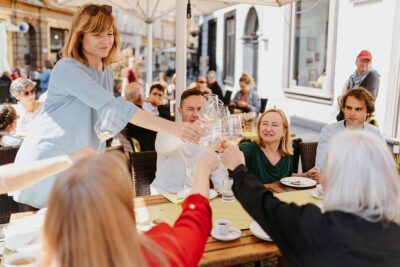
Food & Wine Tour Ljubljana – Local Foodie Adventure in Slovenia
Read our review →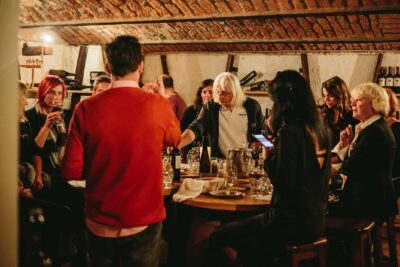
2-Hour Interactive Wine Tasting Experience in Bled
Read our review →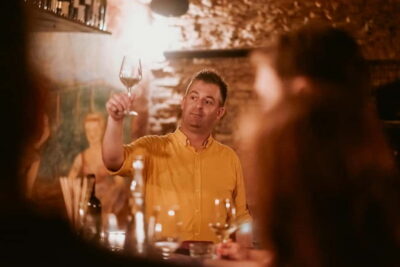
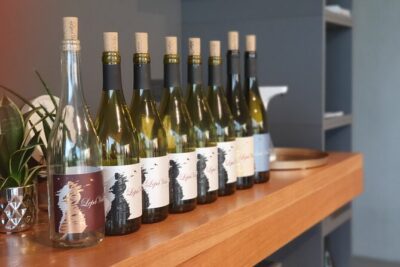
Wine Tasting with Pairing Snacks in Vipava Valley
Read our review →
An Unforgettable Day With Fish, Wine and Olive Oil Tasting
Read our review →
Browse the lists this tour appears in